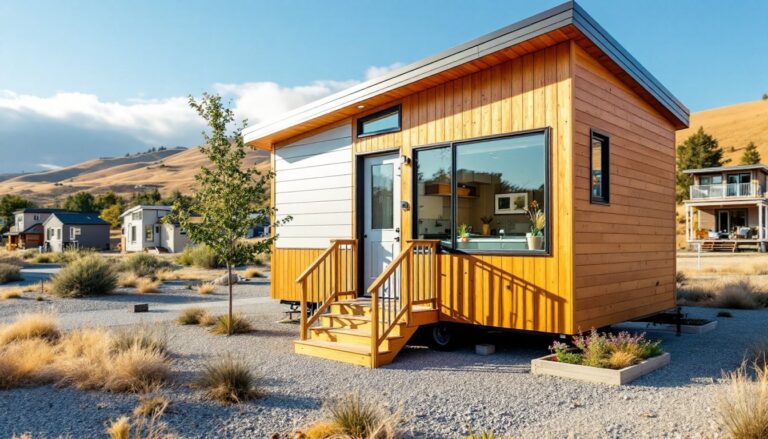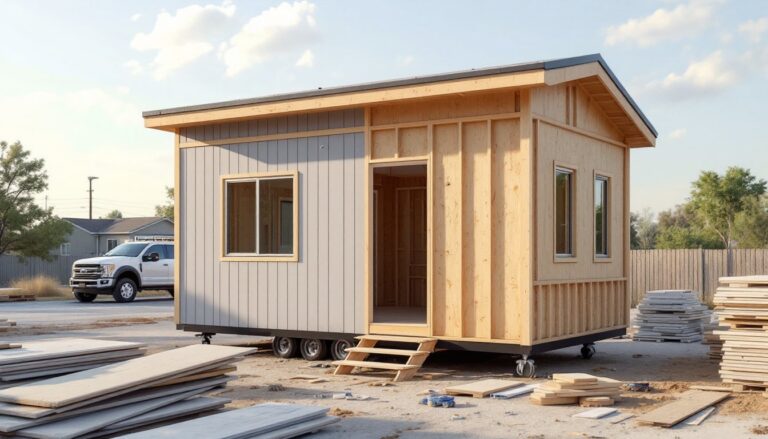
A tiny home compound isn’t just one small house, it’s a cluster of compact, self-contained units on a single property, designed to maximize space while maintaining privacy and independence for each resident. Whether you’re thinking about multigenerational living, creating rental income, or building a close-knit community on your land, a tiny home compound offers flexibility that traditional single-family homes can’t match. This approach has gained serious momentum as land costs rise, housing shortages persist, and families seek smarter ways to live together. If you’ve got the land and the vision, here’s what you need to know to make it happen.
Table of Contents
ToggleKey Takeaways
- A tiny home compound reduces per-unit land costs by 50 to 75 percent compared to single-family homes, making it an economically smart choice for multigenerational living or rental income.
- Zoning and permitting challenges are the biggest hurdles—most residential zones require conditional use permits or variances, so budget 3 to 12 months for approval depending on your jurisdiction.
- Shared infrastructure like water lines, septic systems, and driveways cuts utility and maintenance costs, while each unit maintains independence with its own entrance and utilities.
- Thoughtful design, including vertical storage, open-concept living, and stacked plumbing, maximizes every square foot in a tiny home compound without sacrificing privacy or comfort.
- Construction costs range from $90,000 to $150,000 per 600-square-foot unit, and financing requires construction-to-permanent loans or portfolio financing that lenders treat differently than single-family mortgages.
What Is a Tiny Home Compound?
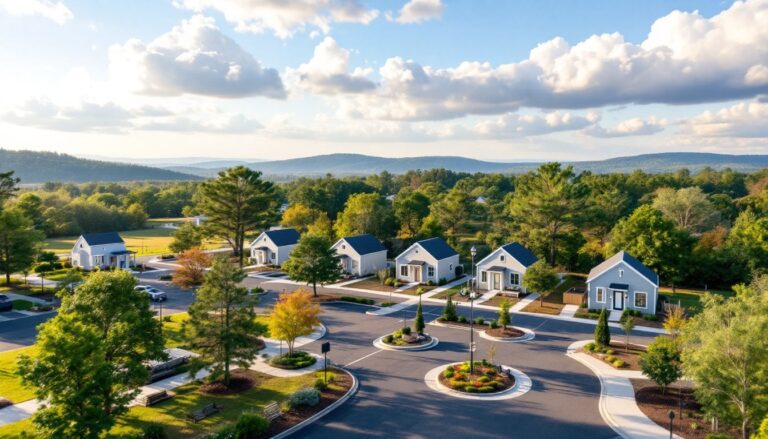
A tiny home compound is a planned collection of small homes, typically 400 to 800 square feet each, arranged on one parcel of land. Unlike a mobile home park, each unit is usually permanent, built on a foundation, and designed as a cohesive neighborhood. The units might share community spaces like gardens, parking areas, or gathering halls, but each home functions independently with its own utilities, entrance, and living space.
Think of it as a middle ground between a traditional suburb and apartment living. Residents get the autonomy of homeownership (or rental tenancy) without the isolation of a sprawling single-family property. A compound might house anywhere from two units for a family property to twenty or more on a larger development. The key difference from standard subdivisions is intentional density and shared infrastructure, you’re optimizing every inch of land while preserving community character.
Benefits of Building a Tiny Home Compound
The financial and lifestyle advantages are substantial. First, land cost per unit drops dramatically when shared across multiple homes. If your property costs $300,000 and can accommodate four tiny homes instead of one large house, you’ve cut the land expense per unit to roughly $75,000. That’s before you’ve even started building.
Second, a compound lets families live close without compromising privacy. Grandparents can occupy one unit while adult children and grandchildren use another, all on the same property. No need for awkward in-law arrangements: everyone has their own roof and front door. For investors, rental income from two, three, or four units on a single property beats a single-family rental on the same land.
Third, infrastructure efficiency is real. You run one water line, one septic or sewer connection, and one electrical service loop instead of four. Shared driveway maintenance and community spaces mean lower individual costs. Utility consumption per household typically runs lower in smaller footprints, especially if units are built to modern energy codes with proper insulation, heat pump HVAC systems, and LED lighting from day one.
Planning and Design Considerations
Before you buy land or swing a hammer, you need a realistic master plan. Start by sketching the site layout: how many units fit comfortably? What about vehicle access, utilities, and green space? A professional surveyor and architect familiar with residential codes can save thousands in mistakes.
Compound design should consider sun exposure, wind patterns, and drainage. Each home needs adequate lot coverage (the footprint relative to total land) and setbacks from property lines that comply with local codes. Narrow driveways and tight corners make construction and delivery harder and uglier for residents. A 20-foot-wide drive is standard: anything narrower than 16 feet gets frustrating fast.
Utility planning is non-negotiable. Will each unit have its own meter, or will you centralize and bill residents? Underground utilities cost more upfront but look cleaner and avoid overhead line headaches. A shared septic system needs proper sizing, most health departments allow one septic per 1,000 square feet of buildable lot, so a four-unit compound typically needs careful design or municipal sewer connection.
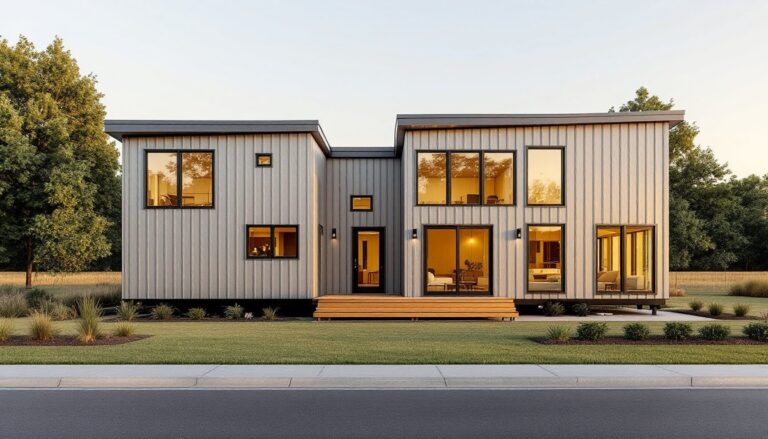
Architecturally, variety within consistency works best. Three identical homes feel institutional: homes with matching roof pitches and exterior materials but different facades feel like a real neighborhood. This isn’t about mansion aesthetics, simple, clean designs in materials like Hardie board siding, metal roofing, or brick are timeless and maintain value.
Zoning and Legal Requirements
This is where most projects hit a wall or stall for months. Most residential zones allow a single-family home per lot: a compound might violate that. You’ll need to check your local zoning code, specifically, whether your county or municipality allows “multi-unit dwellings,” “accessory dwelling units” (ADUs), or “residential cluster developments.”
Some jurisdictions have tweaked codes to allow ADUs on single-family lots (typically a small second unit on the same property as a primary home), but a true four-unit compound often requires a conditional use permit or a zoning variance. That means a hearing, public notice, and neighbor review. Be prepared for pushback: not everyone loves density, even small-scale density.
You’ll also navigate building permits, electrical and plumbing permits, and possibly a utility connection application. Budget three to six months for permitting in a responsive jurisdiction: a year or more isn’t unheard of in built-up areas. Work with a local contractor or architect who’s navigated your jurisdiction’s process before, they know which engineer or official actually makes decisions and whether your site can realistically support what you’re planning.
Septic and well systems are heavily regulated. Most counties require soil testing, percolation tests, and health department approval. If municipal sewer is available, connection costs can run $10,000 to $30,000 per unit, depending on distance and existing infrastructure. Wells might be feasible if groundwater quality and quantity support multiple homes: geotechnical drilling and testing can cost $1,500 to $3,000 upfront.
Layout and Space Optimization
Every square foot counts in a tiny home, so layout strategy is critical. Open-concept living, combining kitchen, dining, and living space without walls, makes a 400-square-foot unit feel much larger. But, a bedroom or bathroom wall that actually closes off noise and odor is worth the footage.
Vertical storage is your friend. Floor-to-ceiling cabinets, lofted bedrooms, and built-in shelving reclaim wasted air space. A nine-foot ceiling instead of the standard 8 feet gains volume without floor area: you can perch a sleeping loft or storage shelf overhead and still have standing room below.
Bathroomand kitchen placement matters. Stacking plumbing (bathroom and kitchen on the same wall or back-to-back) cuts roughing costs and makes repairs easier. A wet room concept, a small, efficiently laid-out bathroom with a compact toilet, sink, and shower, works in tight quarters. In kitchens, a galley layout (two parallel runs of cabinetry) is efficient: an L-shaped kitchen works in slightly larger footprints.
For a compound, standardizing unit layouts reduces construction complexity. Three homes with identical floor plans and systems are faster and cheaper to build than three one-offs. But, one unit might be designed for accessibility (wider doorways, roll-in shower, no-step entry) to accommodate aging residents or mobility challenges. Accessibility costs roughly 5 to 10 percent extra per unit upfront but adds decades of usability and resale appeal.
Outdoor space shouldn’t be an afterthought. A small porch or covered entry gives each home a distinct address and gathering spot. Community areas, a fire pit, playground, or picnic space, foster the neighborhood feel that justifies clustering. That shared space also provides flexibility: a child can play outside while staying within parent sight lines across a smaller compound area. Resources on small space living ideas can inspire efficient layouts that don’t feel cramped.
Financing Your Tiny Home Compound Project
Financing a compound is more complex than a single-family mortgage. You’re looking at a construction loan, possibly a permanent mortgage after completion, and potentially a commercial or portfolio loan if you’re building rental units.
If you own land outright, a construction-to-permanent loan is standard: the lender finances building costs, then converts to a mortgage once each unit is complete and occupied. Rates and terms depend on your creditworthiness, equity, and whether the homes are for your own use or investment. Lenders typically require 20 to 25 percent down on a construction loan and want to see detailed plans, permits, and a qualified contractor before funding.
For owner-occupied compounds (you live in one unit, family members in others), your primary residence mortgage on that one unit might be conventional: the other units might require investment property loans or cash-out refinancing. Tax implications vary, you’ll owe capital gains on rental units if you eventually sell. Consult a CPA or real estate attorney familiar with compound structures: some jurisdictions treat a compound as a single property for tax purposes, others as multiple separate assessments.
Cost estimates vary wildly by region and material choices. In 2026, basic tiny homes (not ultra-luxury) typically run $150 to $250 per square foot for construction. A 600-square-foot unit might cost $90,000 to $150,000 to build, before land, permitting, and utilities. A four-unit compound on raw land might total $600,000 to $1.2 million, depending on location, site prep, and finishes. Land costs and utility connection fees can easily add another 20 to 40 percent.
Grant programs and incentives exist in some areas. A few municipalities offer density bonuses or expedited permitting for affordable tiny home projects. State and federal housing programs occasionally fund ADU or cluster development pilots. It’s worth asking your planning department and searching home design news and real estate trends for recent policy changes in your region.
Conclusion
A tiny home compound is a practical solution to rising land costs and changing family structures, if you navigate zoning, design, and financing thoughtfully. Start with a clear picture of why you’re building (family proximity, rental income, or both) and honestly assess your jurisdiction’s openness to density. Work with experienced professionals: an architect who understands small spaces, a contractor savvy with your local codes, and a lender comfortable with non-traditional layouts. The payoff, lower per-unit costs, shared community, and intentional design, makes the upfront complexity worthwhile.