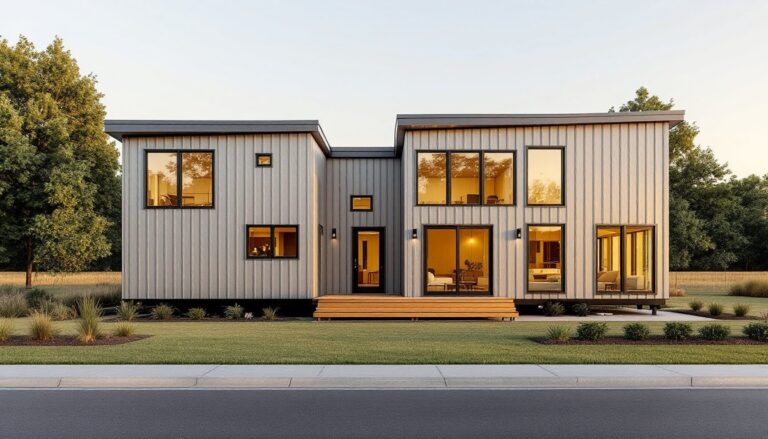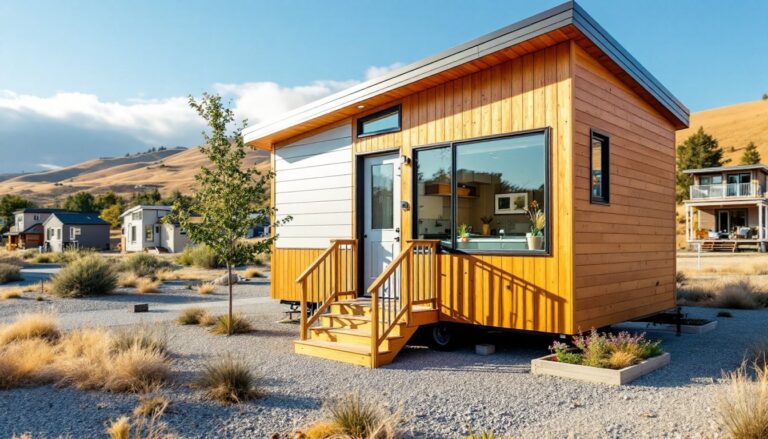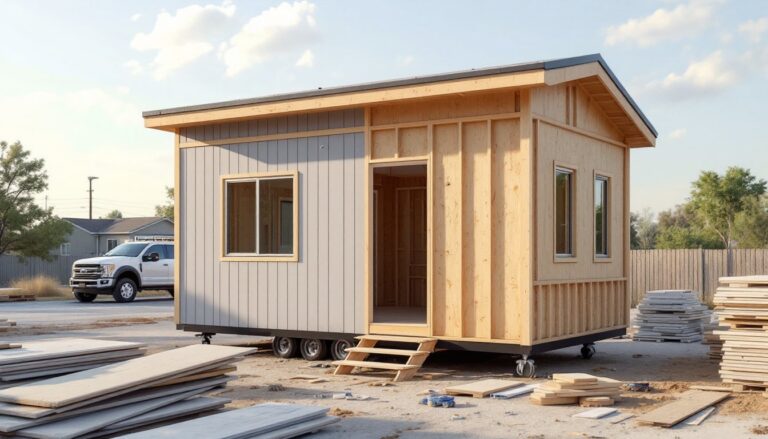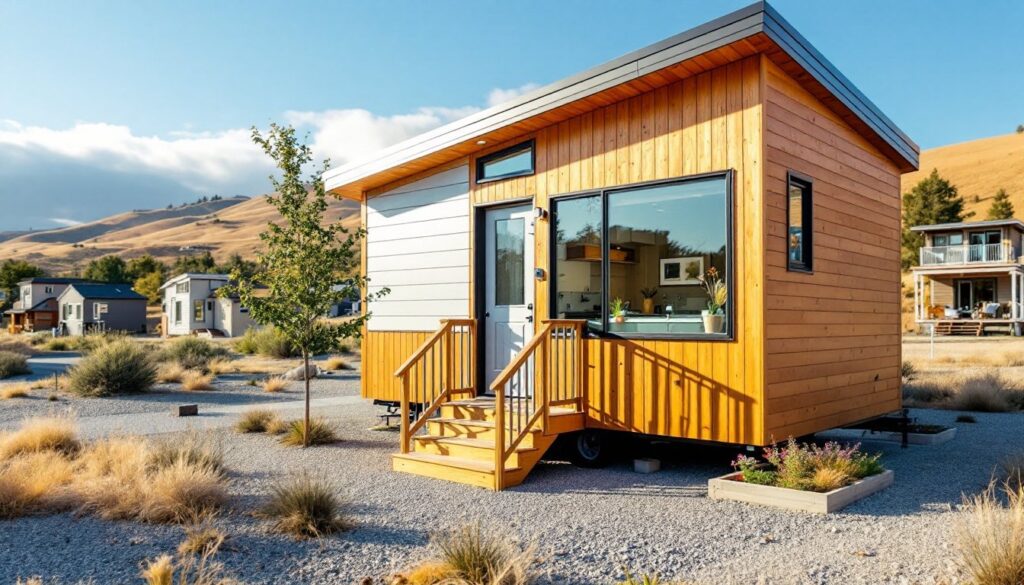

The tiny home marketplace has evolved from a niche trend into a legitimate real estate sector attracting serious buyers, sellers, and investors. Whether you’re downsizing to reduce expenses, looking for an affordable entry point into homeownership, or seeking a rental investment with solid returns, understanding how to navigate the tiny home marketplace is essential. This guide walks you through the fundamentals, from what defines a tiny home and why demand is surging, to the practical steps for buying or selling, and the financial realities of investing in compact properties. You’ll get honest advice on financing, market positioning, and long-term value without the lifestyle fluff.
Table of Contents
ToggleKey Takeaways
- The tiny home marketplace has evolved into a legitimate real estate sector offering affordable entry points into homeownership and solid investment returns for the right buyer.
- Financing options for tiny homes include conventional mortgages, FHA loans, portfolio loans, and seller financing, but early pre-approval is essential since properties must meet minimum value thresholds ($40,000–$50,000+).
- Successful tiny home sales require strategic positioning to niche audiences like downsizers and investors, plus transparent disclosure of zoning restrictions, HOA rules, and financing challenges.
- Short-term rental investment in tiny homes can generate $3,000–$5,000 monthly in appealing locations, though appreciation is typically slower at 2–4% annually compared to traditional real estate.
- Zoning restrictions remain the biggest barrier to tiny home marketplace growth, but secondary and rural markets with lower land costs and loosened regulations offer the strongest opportunities.
- Success in the tiny home marketplace depends on understanding location-specific financing rules, working with experienced professionals, and having a clear exit strategy before purchasing as an investment property.
What Is the Tiny Home Marketplace?
A tiny home is typically defined as a dwelling of 1,000 square feet or less, though some jurisdictions set the threshold at 1,200 square feet. These properties come in several forms: purpose-built tiny homes on foundations, mobile tiny homes on wheels (technically RVs or ADUs, accessory dwelling units), and converted shipping containers or modular structures.
The tiny home marketplace itself refers to the ecosystem of buyers, sellers, lenders, builders, and platforms facilitating these transactions. It’s distinct from the broader real estate market because it operates under different financing rules, zoning considerations, and valuation methods. A tiny home on wheels, for instance, is often treated like an RV by lenders, not a traditional mortgage. A foundation-based tiny home in an approved community might qualify for standard financing. Location, legal status, and construction type determine everything from your loan options to resale prospects.
When shopping the tiny home marketplace, you’ll encounter three main categories: manufactured tiny homes (built in a factory to HUD standards), site-built tiny homes (constructed locally to local codes), and custom builds. Manufactured units tend to be cheaper upfront but may have lower appreciation. Site-built and custom homes carry higher initial costs but often appraise better and offer more flexibility in design and materials.
Growing Demand for Compact Living Solutions
Demand for tiny homes stems from three converging forces: affordability pressure, environmental consciousness, and changing lifestyle priorities. Millennials and Gen Z buyers priced out of traditional housing markets are turning to tiny homes as an entry point. Remote work has freed people from urban cores, allowing them to pursue lower-cost-of-living regions where a tiny home outright purchase is realistic. Retirees downsizing to reduce maintenance and housing expenses represent another large cohort.
Recent market data shows the tiny home industry growing 7–10% annually, with particular strength in secondary and rural markets where land is cheaper and zoning permits tiny home communities. Urban micro-apartments and in-law ADUs are booming in expensive metros like Austin, Portland, and California’s Bay Area, driven by housing shortages and local legalization efforts.
Zoning remains the biggest barrier. Many municipalities didn’t allow homes under 1,200 square feet: that’s shifting, but slowly. Communities actively marketing tiny home subdivisions, think purpose-built neighborhoods with utilities, roads, and deed restrictions, are attracting both buyers and investors. Platforms like Airbnb have also validated the income potential of tiny rentals, encouraging owner-investors to treat them as short-term assets. Curbed’s urban living guides document how major cities are loosening restrictions and how architects are reimagining compact spaces, reflecting the mainstream shift.
How to Buy a Tiny Home: Steps and Tips
Financing Options for Tiny Home Purchases
Conventional Mortgages work for site-built tiny homes on land if the property meets minimum square footage or valuation thresholds (usually $50,000+). You’ll need 3–5% down and a good credit score. Rates are competitive because the loan-to-value ratio is often conservative.
FHA Loans insure lenders against default, making them willing to finance smaller properties. Minimum property value is typically $40,000–$50,000: down payment is 3.5%. FHA loans are popular for tiny home buyers with lower credit scores or limited savings.
Portfolio Loans are mortgages held by the lender, not sold to investors. These are more flexible on property type and appraisal but carry higher rates. Some community banks and credit unions offer portfolio loans for tiny homes when conventional lenders won’t.
Personal Loans or Home Equity Lines are short-term, higher-rate options if you have existing equity or strong income. Not ideal for primary residence mortgages but workable for investment properties.
Cash Purchases sidestep financing entirely. Many tiny home buyers pay cash, especially investors treating the property as a rental or short-term flip. This strengthens offers and closes faster but ties up capital.
Seller Financing appears in 10–15% of tiny home transactions. The seller acts as the lender, taking a down payment and monthly installments. Terms vary widely: always have an attorney review agreements.
The key: Start loan conversations early. Many first-time tiny home buyers assume financing will be easy and discover halfway through underwriting that the property doesn’t qualify. Getting pre-approved based on property type prevents heartache.
Selling Your Tiny Home Successfully
Selling a tiny home requires positioning it correctly to the right audience. You’re not selling to everyone, you’re selling to downsizers, young professionals, investors, and niche lifestyle buyers.
Price Smart – Use comparable tiny home sales, not the whole neighborhood. If you’re in a market with few comps, work with an appraiser to build a case. Overpricing kills interest quickly: buyers researching the tiny home marketplace have done their assignments.
Highlight Financial Benefits – Emphasize utility costs, property taxes, low maintenance, and insurance savings over a 5–10 year period. Create a one-page fact sheet showing monthly operating costs versus a traditional home.
Professional Photos and Video – Tiny homes look either impressive or cramped depending on how they’re shown. Wide-angle shots, decluttering, and video walkthroughs are essential. A 3D virtual tour on your listing is worth the investment.
Disclose Everything – Be upfront about zoning restrictions, HOA rules, financing challenges, and any utility or structural quirks. Buyers appreciate transparency and are less likely to back out after inspection.
Target the Right Channels – List on the MLS, but also post on tiny home-specific Facebook groups, Zillow, and platforms focused on alternative housing. Mention design credentials if applicable: Dwell and design-forward platforms attract aspirational buyers willing to pay a premium for style and livability.
Offer Lease-to-Own or Rent-to-Own – If financing is a barrier, offering owner-financed or rent-to-own arrangements expands your buyer pool and might justify a higher price.
Seller financing and flexible terms often close more tiny home sales than aggressive pricing alone.
Investment Potential and Long-Term Value
Tiny homes can deliver solid returns, but not like traditional real estate. Appreciation is typically 2–4% annually, slower than the broader market, because the buyer pool is smaller and financing headwinds limit demand.
Short-Term Rentals are where tiny homes shine. Airbnb and Vrbo guests pay $100–$300 per night for a well-maintained, design-forward tiny home in appealing locations. Monthly revenue can hit $3,000–$5,000 in good markets, covering mortgage and operating costs while building equity. This works best in tourist areas, near universities, or in secondary markets attracting remote workers.
Long-Term Rentals offer steady 5–7% annual returns (rent-to-value ratio) if your market supports permanent tenants seeking affordable housing. Younger renters and downsizers are reliable tenants when screened properly.
Market Timing matters. Tiny home values are strongest in high-growth secondary metros (Austin, Boise, Nashville, Asheville) where housing demand outpaces supply. Avoid oversaturated tiny home communities: too much inventory kills appreciation.
Appreciation Limits exist because of financing barriers and buyer pool caps. A tiny home appreciated 40% in five years is exceptional: 15–25% total appreciation over a decade is realistic. Compare that to single-family homes in the same region for context.
Exit Strategy is critical. Before buying for investment, confirm you can sell or rent the property if your situation changes. Zoning changes, market downturns, or financing shifts can make tiny homes hard to exit quickly.
Tiny homes excel as second properties or supplementary income assets. Investors treating them as primary wealth-building tools often underperform compared to traditional rentals or REITs.
Conclusion
The tiny home marketplace is real, growing, and increasingly accessible. Success, whether buying, selling, or investing, depends on understanding financing constraints, zoning nuances, and the specific cohort you’re targeting. Do your assignments on comparable sales, work with experienced professionals, and be honest about your timeline and financial goals. Tiny homes aren’t for everyone, but for the right buyer or investor, they offer affordability, simplicity, and lifestyle alignment that traditional homes can’t match.