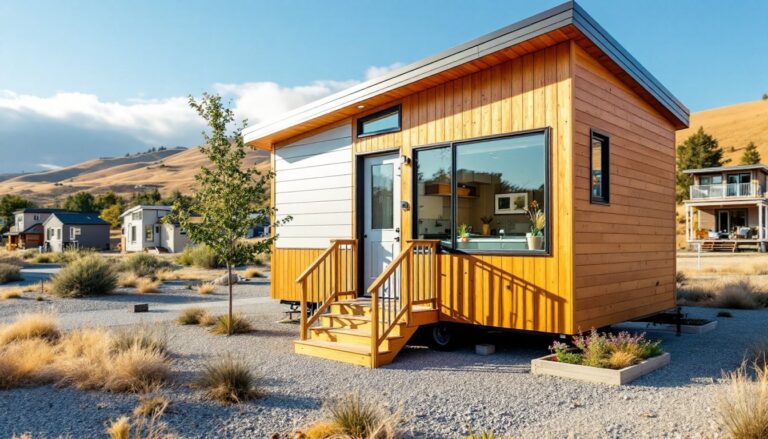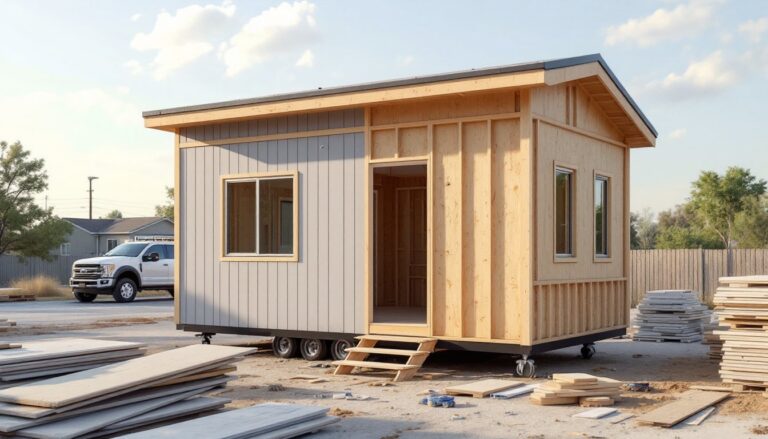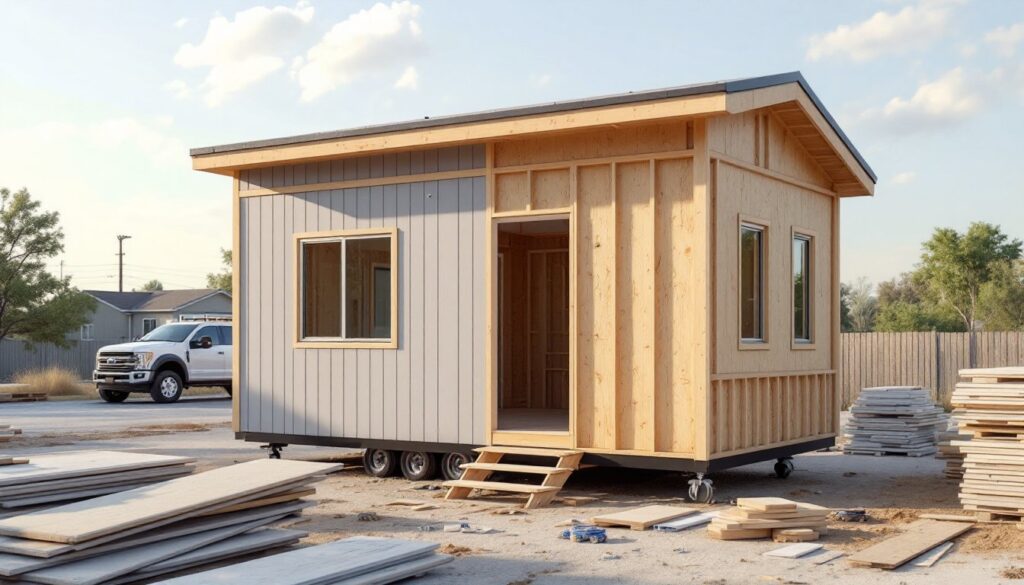

Tiny home shells have emerged as a practical solution for people seeking affordable, customizable housing without the years of traditional home construction. A shell is essentially the bare bones, foundation, framing, roof, and exterior walls, delivered to your lot, ready for you to finish the interior. Whether you’re drawn to the minimalist lifestyle, looking to build on a tight budget, or simply want to skip years of waiting for a contractor, understanding what a tiny home shell entails is crucial. Before you commit, you’ll need to grasp the costs, legal requirements, financing options, and the realistic scope of interior work ahead. This guide breaks down everything homeowners and DIY enthusiasts should know before diving into tiny home ownership in 2026.
Table of Contents
ToggleKey Takeaways
- Tiny home shells are weathertight, customizable structures costing $25,000–$60,000 that eliminate years of traditional construction and appeal to first-time buyers, DIY enthusiasts, and those seeking sustainability.
- Total move-in-ready costs typically range from $60,000–$150,000, including interior finishes, insulation, permits, and utilities, with delivery distance and regional labor availability significantly impacting final pricing.
- Fixed-foundation shells qualify for traditional mortgages and build equity but require complex permits and foundation work, while trailer-based shells offer easier deployment and relocation but face financing challenges and stricter zoning restrictions.
- Interior build-out requires 200–400 hours of DIY effort or professional hiring for rough-ins like electrical, plumbing, insulation, and drywall, making sweat equity a critical factor in overall affordability.
- Before purchasing a tiny home shell, verify local zoning laws and ADU restrictions with your planning department, as legal and financing obstacles vary dramatically by jurisdiction and can make projects unsellable or illegal.
What Are Tiny Home Shells and Why They’re Gaining Popularity
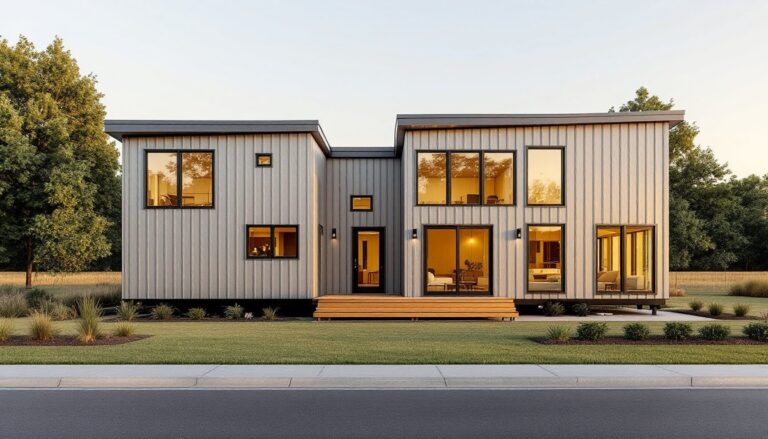
A tiny home shell is a weathertight structure, typically between 200 and 400 square feet, that arrives with framing, sheathing, roofing, and exterior siding in place. It’s not a finished home: plumbing, electrical, HVAC, insulation, and interior walls are either barebones or absent entirely. The beauty is that you avoid waiting for on-site construction crews and can manage the interior build-out on your own schedule.
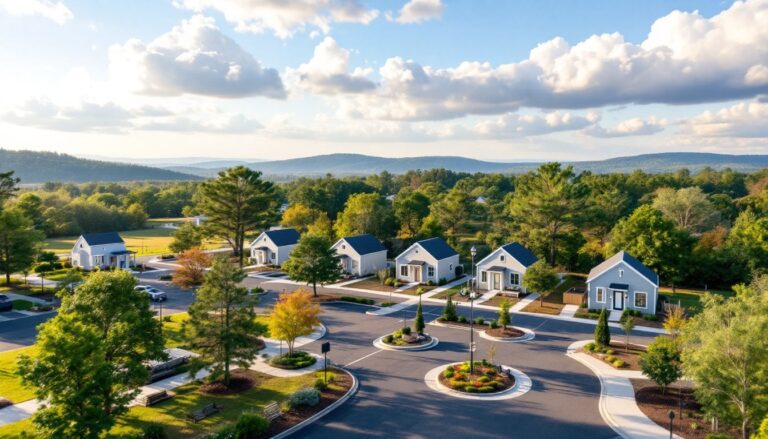
Tiny homes are exploding in popularity for several reasons. First, zoning restrictions in many municipalities are loosening, making it easier to place these compact dwellings legally. Second, affordability remains the primary driver, you’re paying for a fraction of the land, labor, and materials compared to a traditional house. Third, many buyers are motivated by sustainability and the desire to downsize their environmental footprint. Finally, the DIY movement means more homeowners want hands-on control over their living space.
Tiny home shells appeal especially to first-time home builders, young professionals, rural property owners, and anyone looking to add an accessory dwelling unit (ADU) to their land. The risk is lower, the timeline is shorter, and you’re not locked into someone else’s design choices.
Cost Breakdown: How Much You’ll Spend on a Tiny Home Shell
A bare-bones tiny home shell typically runs between $25,000 and $60,000, depending on size, materials, and whether it’s trailer-mounted or fixed-foundation. That’s the shell alone, not including land, interior finishes, permits, or utilities.
Breaking it down further:
- Trailer-based shells: $20,000–$40,000 for a 200–300 sq. ft. unit
- Fixed-foundation shells: $35,000–$70,000, depending on site prep and local labor costs
- Insulation and exterior upgrades: Add $3,000–$8,000 for spray foam, premium siding, or metal roofing
- Interior finish-out: $30,000–$80,000+ for drywall, flooring, cabinetry, appliances, and fixtures
Total cost to move-in ready ranges from $60,000 to $150,000 or higher, depending on your finish standards and location.
Factors That Affect Shell Pricing
Multiple variables drive shell costs beyond the basic structure. Material quality matters: reclaimed wood or metal exteriors cost more upfront but offer durability and aesthetic appeal. Custom vs. standard layouts affect pricing, a basic rectangular shell is cheaper than one with lofts, porches, or curved walls. Delivery distance to your lot impacts transportation fees, often $2,000–$5,000 depending on proximity. Regional labor availability affects both shell manufacturing and your ability to find interior contractors. In remote or high-demand areas, expect to pay a premium. Finally, foundation requirements, whether you need concrete piers, a full slab, or trailer setup, can swing costs by thousands.
Comparing Shell Types: Fixed Foundation vs. Trailer-Based Tiny Homes
The choice between a fixed-foundation and trailer-based shell is one of the biggest decisions you’ll make. Each has distinct advantages and constraints.
Fixed-Foundation Shells sit on a permanent concrete foundation or pier-and-beam system. Pros: they’re treated as real property (you build equity and can obtain traditional mortgages more easily), they have no mobility restrictions, and some lenders view them more favorably. Cons: the foundation work adds $5,000–$15,000 before the shell even arrives, zoning requirements are stricter, and permits are more complex. You’re committed to the location forever.
Trailer-Based Shells are mounted on a single or double axle chassis, making them technically an RV or mobile home. Pros: faster to deploy, lower upfront foundation costs, easier to relocate if zoning changes, and lower property taxes in some jurisdictions. Cons: financing is trickier (RV loans and personal loans often have higher rates), many lenders won’t touch them, and parking a tiny home on land without proper zoning can invite code enforcement issues. Resale is also harder.
Your choice hinges on zoning, financing goals, and whether you plan to stay put. Check with your local planning department before deciding, some areas prohibit mobile structures, while others embrace them. Sites like HGTV’s renovation guides showcase both approaches in action, giving you a sense of what’s feasible in different regions.
The DIY Interior Build-Out: What Comes After Your Shell Arrives
Once your shell is on-site and the weathertight envelope is confirmed, the real work begins. You’ll need to install insulation, electrical wiring, plumbing, HVAC, interior walls, and finishes, essentially everything that makes it livable.
Start with rough-ins: insulation (typically spray foam or batts in walls and ceiling), electrical wiring and panels, and plumbing (PEX or copper lines, drain lines, vents). Many shells arrive with these roughed in partway: others are completely bare. If you’re doing this yourself, budget 200–400 hours and rent or buy essential tools: a stud finder, a drywall saw, a power drill, and a ladder. Safety gear, goggles, work gloves, dust masks, and ear protection, is non-negotiable, especially when cutting studs or handling insulation.
Drywall and taping typically consume the most time. Standard 1/2-inch drywall costs roughly $15–$20 per sheet and covers 32 sq. ft. Tape, joint compound, and sanders add another $200–$500 in materials. Flooring (vinyl plank, tile, or wood) runs $1–$8 per sq. ft. installed, depending on quality. Painting, cabinetry, and appliances round out the interior.
Be realistic: interior work is physically demanding and time-consuming. Most DIYers underestimate how long drywall finishing takes. If budget allows, hire professionals for the tough parts, electrical and plumbing, and DIY the finishing work. Resources like This Old House’s renovation tutorials provide step-by-step guidance on framing, drywall, and finishing techniques that apply directly to tiny homes.
Financing and Legal Considerations for Tiny Home Ownership
Financing a tiny home shell is trickier than buying a traditional house, and legal hurdles vary widely by location.
Financing Options:
Traditional mortgages work best for fixed-foundation tiny homes: lenders treat them as real property with land equity. Expect a minimum loan of $50,000–$75,000 (many banks won’t touch smaller loans), and be prepared to provide the land deed and foundation plans. For trailer-based or highly unconventional shells, personal loans, construction loans, or RV financing may be your only option, but interest rates are typically higher (6–12% vs. 3–5% for mortgages).
Permitting and Zoning:
This is where dreams collide with reality. Many jurisdictions classify tiny homes as ADUs (accessory dwelling units), which may require setback distances, septic or sewer access, and owner-occupancy rules. Some cities cap ADU sizes at 750 sq. ft.: others prohibit them outright. Building permits, foundation inspections, and final electrical/plumbing inspections are standard. Budget $500–$2,500 for permits depending on your location and complexity. Always consult your local planning department before purchasing land or a shell, zoning conflicts can make your project illegal or unsellable.
Insurance and Property Tax:
Trailer-based homes may be insured as personal property (cheaper upfront, but less protection) or as real property. Fixed-foundation homes use standard homeowners insurance. Property tax is typically lower for tiny homes, but varies by jurisdiction. Get quotes before committing.
Small-space living advocates showcase how thoughtful design maximizes every square foot: Apartment Therapy offers budget-friendly small-space decor tips that align well with the philosophy of tiny home interiors.
Conclusion
Tiny home shells offer a legitimate, affordable pathway to homeownership for those willing to invest sweat equity and navigate the legal and financial complexities. The key to success is doing your assignments upfront: verify zoning, lock in realistic financing, understand the full build-out scope, and be honest about your DIY skills. A shell isn’t a shortcut: it’s a different route. Done right, it’s rewarding.