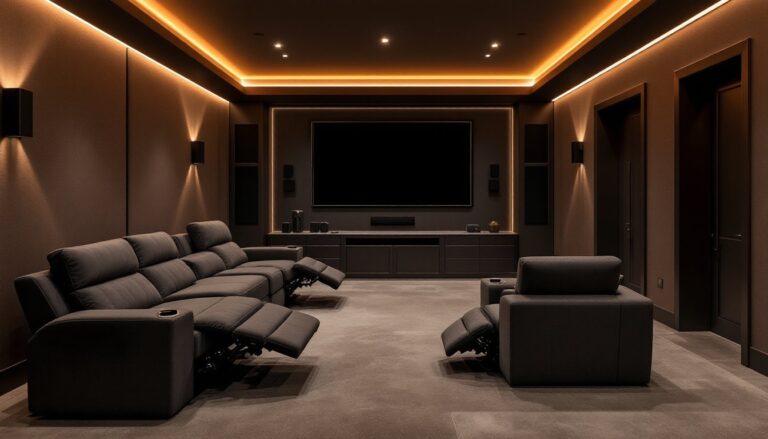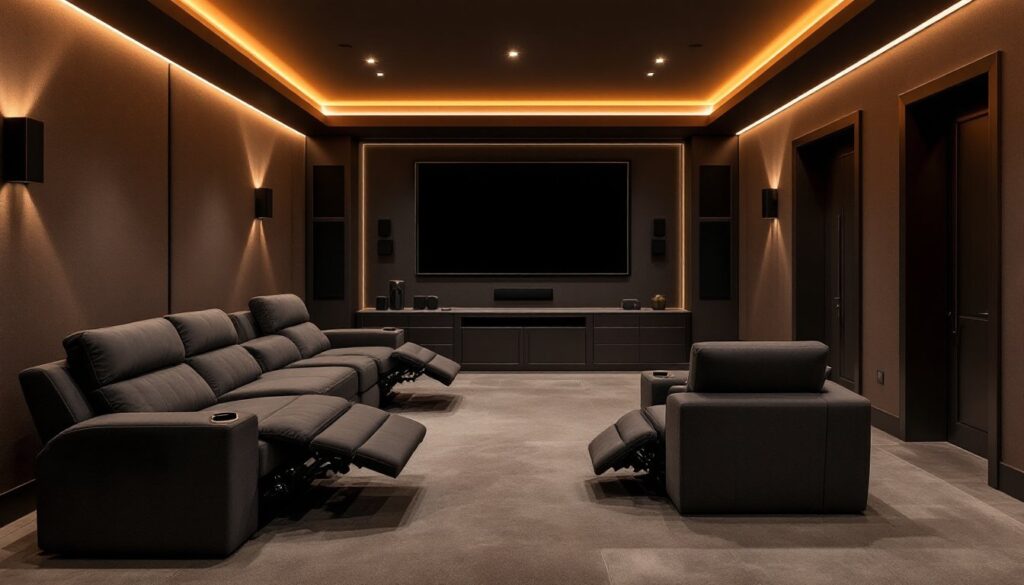

Home theater seating makes or breaks the movie night experience. You can have a wall-mounted 85-inch screen, surround sound that shakes the room, and the latest streaming service, but if you’re sitting on an uncomfortable couch, your guests won’t stay past the opening credits. Valencia Tuscany seating represents a step up from standard furniture: it’s engineered for dedicated theater rooms with premium materials, built-in recline mechanisms, and thoughtful ergonomics that keep viewers comfortable through a full feature film. Whether you’re finalizing a basement project or upgrading an existing media room, understanding what Valencia Tuscany seating brings to the table helps you make a confident decision that matches both your space and your comfort expectations.
Table of Contents
ToggleKey Takeaways
- Valencia Tuscany home theater seating combines motorized recline mechanisms, premium upholstery, and ergonomic design to deliver theater-grade comfort engineered to last 10–15 years.
- Proper space planning is critical: measure doorways, allow 12–18 inches for reclining clearance, and position seating 8–12 feet from the screen to avoid viewing discomfort.
- Performance upholstery like microsuede resists stains and odors better than traditional fabrics, while high-density foam cushioning and pocket coil springs prevent sagging during extended use.
- Installation requires careful outlet placement for motorized models, a second person for assembly, and leveling with plastic shims to prevent uneven wear on your Valencia Tuscany pieces.
- Weekly vacuuming with soft attachments, prompt spill blotting, and annual motor lubrication protect your seating investment and maintain its appearance and functionality.
What Is Valencia Tuscany Seating?
Valencia Tuscany seating is a line of specialized home theater recliners and sectional pieces designed to deliver theater-grade comfort without requiring a commercial cinema subscription. These seats go beyond standard furniture by incorporating motorized reclining mechanisms, dedicated cup holders, storage compartments, and performance upholstery that resists stains and wear.
Unlike general living room furniture, Valencia Tuscany pieces are built with a theater audience in mind. Each seat includes adjustable backrests, footrests, and sometimes heated functions, think of them as the midpoint between a typical sectional and the recliners you’d find at a commercial multiplex. The frame is engineered to handle repeated reclining and extended use without sagging or squeaking after a few years.
These aren’t throwaway pieces. They’re built to last 10–15 years with regular use, which justifies the upfront cost for serious home theater enthusiasts. If you’re considering a dedicated media room investment, Valencia Tuscany seating signals that the room is purposeful and designed for entertainment rather than casual TV watching.
Key Features and Design Elements
Premium Material Quality
Valencia Tuscany seats use performance upholstery, typically microsuede, leather, or blended fabrics engineered to resist stains, odors, and fading. Microsuede is a popular choice because it feels soft without the cleaning demands of genuine leather, which requires conditioner and careful maintenance in humid basements or rooms with variable temperature control.
The frame is usually hardwood or high-grade plywood, not particleboard. You’ll notice the difference when you sit down: there’s no flex, and the seat maintains its shape year after year. Some models include reinforced bases for additional stability, especially important if multiple family members of varying weights will use the seating regularly.
Internally, the cushioning blends high-density foam with pocket coil springs in premium models. High-density foam resists body impressions better than memory foam alone, which can sag over time in a dedicated theater where someone sits in the same spot for hours every weekend. The combination provides firm support without feeling cheap.
Ergonomic Comfort Technology
The reclining mechanism is the workhorse of Valencia Tuscany seating. Most models offer motorized power recline, which allows adjustment from fully upright to nearly flat. Look for models with infinite position controls, you’re not locked into two or three preset angles, but can stop at any position that feels right.
The footrest extension and backrest angle should be independently adjustable. This matters because your ideal lounging position for a three-hour movie marathon isn’t the same as a quick 30-minute show. You want fine-tuning.
Heated seat functions are available on higher-end models, useful in cooler climates or for anyone with circulation issues. Built-in USB ports and wireless charging pads are increasingly common, practical if viewers want to charge phones without hunting for outlets during the film.
Armrests are typically wider than standard furniture, with integrated cup holders molded into the design. Some models include storage beneath the seat or built-in accent tables, reducing the need for side tables that eat into floor space. When planning your layout, measure these extras to confirm they don’t interfere with walkways or door swings.
Sizing and Space Planning for Your Theater
Measure your theater room twice, once with a measuring tape, and once by sitting on the floor and imagining seat placement. A Valencia Tuscany sectional or multi-seat configuration needs clearance for the recline mechanism, which typically extends 12–18 inches when fully deployed. If your room is tight, even a few inches of miscalculation means guests’ feet jam against the wall or a neighboring seat.
Standard dimensions for a three-seat configuration run approximately 84–96 inches wide, 40–48 inches deep (at full recline), and 38–42 inches high. Loveseat models are narrower, around 60 inches, and work well in smaller spaces or as a second row. Always confirm the exact measurements for the model you’re considering, as manufacturers vary.
Think vertically, too. Reclined viewers’ heads should be at least 2–3 feet below ceiling-mounted speakers or projector, and 3–4 feet in front of a rear wall to avoid acoustic issues. If your ceiling is 8 feet and your seat height is 3 feet, you’ve got 5 feet of clearance, workable but tight if you plan to add acoustic paneling or soffit lighting later.
Crow’s nest layouts, tiered seating with a front row and back row, are popular but require careful planning. The front row should sit 8–12 feet from the screen, and back-row seats 12–16 feet, depending on screen size and viewing angle. A screen that’s too close forces viewers to turn their heads side to side: too far and picture detail becomes hard to resolve.
For budget and installation, measure your doorways. A sectional might not fit through a standard 32-inch door. Most vendors offer disassembly and on-site assembly options for this reason, which adds to cost but is often necessary.
Installation and Setup Tips
Delivery and placement are your first hurdles. If the sectional arrives in pieces, frame, cushions, legs, mechanism components, lay everything out in the room before assembly. Confirm power outlet locations if you’re choosing motorized models: you’ll need a dedicated outlet near the seats, and running electrical cord across the floor is both a tripping hazard and a code violation in many jurisdictions.
Assemble on a hard floor rather than carpet to prevent damage to frame edges and legs. Have a second person on hand for heavy lifting: a fully assembled three-seat sectional can weigh 300–500 pounds. Arm yourself with the manufacturer’s assembly instructions and a power drill with a Phillips bit. Most hardware is pre-drilled and bolted rather than requiring precision carpentry, but care still counts.
Once in place, test all motorized functions before seating anyone. A reclining motor that sticks or moves slowly is annoying on day one and a headache weeks later when the warranty period is closing. If you notice issues during this trial period, contact the vendor immediately for service or replacement.
Level the seating if your floor isn’t perfectly flat, common in older basements. Shimming with plastic shims under the legs prevents rocking and uneven wear on fabric and cushions. Use shims, not wood blocks: they’re adjustable and don’t compress over time.
Securing the sectional is worth considering if you have young children or pets who climb furniture. Sectionals don’t tip easily, but a rambunctious toddler can surprise you. Check if the manufacturer offers anti-tip brackets compatible with your model and your wall construction.
Maintenance and Care
Regular vacuuming prevents dust and debris from settling into fabric weaves. Use a soft brush attachment, not a power beater, which can damage microsuede or leather. Vacuuming weekly if the room gets frequent use, or bi-weekly for lighter use, keeps the seating looking newer longer.
Spill response matters. Blot, don’t rub, to avoid pushing liquid deeper into the fabric. Mild soap and water work for most performance upholstery: test any cleaner on a hidden spot first, the underside of the seat or inside a cushion, to confirm it won’t cause discoloration. For leather, consider a commercial leather conditioner once or twice yearly to prevent cracking and drying.
Heated seats and motorized functions need occasional attention. Check that motors move smoothly, and listen for grinding or squeaking sounds that might indicate a mechanical issue. Lubricate moving joints if recommended by the manual, usually once annually is sufficient. Remote controls should be kept in a designated spot and batteries replaced promptly: a dead remote is frustrating when visitors want to adjust their seating during a movie.
Rotate cushions if the design allows it. Many Valencia Tuscany models have zippered or removable cushion covers, which you can occasionally switch between seats to even out wear patterns. If your room is subject to humidity swings, run a dehumidifier during damp seasons to prevent mold or mildew growth, particularly important in basements.
Top-tier manufacturers often provide warranty coverage for 3–5 years on structural defects and mechanical components. Hold onto your receipt and warranty documentation. If an issue arises within that window, contact the vendor before attempting any repairs yourself: DIY fixes can void coverage. Recent home theater design trends emphasize integrated seating as part of a cohesive room aesthetic, so maintaining your Valencia Tuscany pieces protects your investment and keeps the space polished. For a broader sense of available options, leading home theater seating reviews compare models across price points and features, which can help you understand if your current choice aligns with market standards.