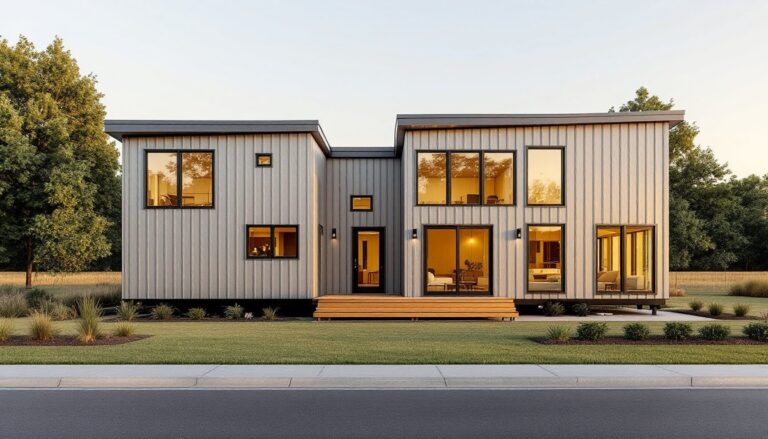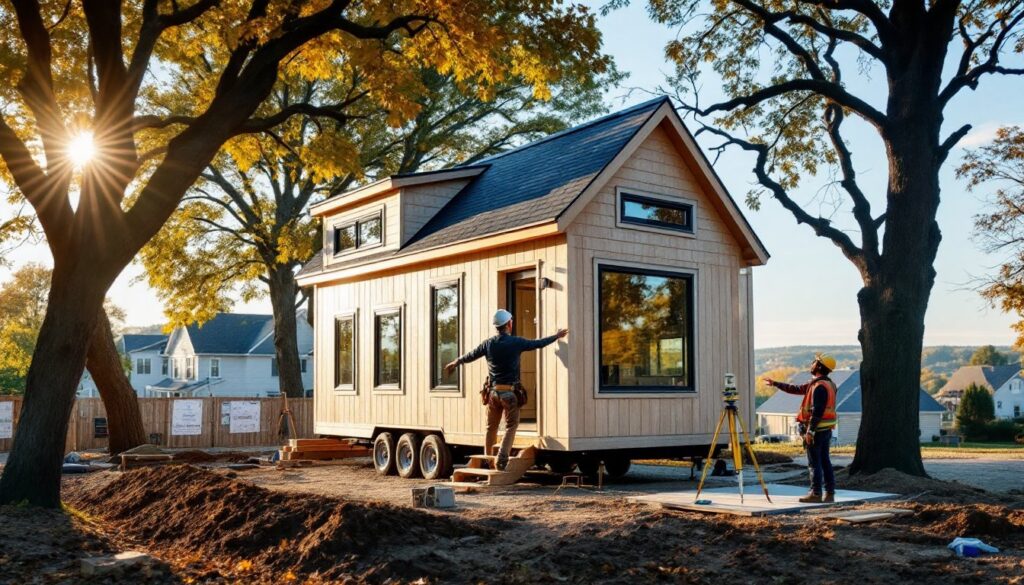

Maryland’s tiny home movement has accelerated over the past few years, driven by affordability concerns, environmental consciousness, and the desire for low-maintenance living. Whether you’re looking to downsize, invest in a secondary property, or explore alternative housing on your own land, finding the right tiny home builder in Maryland is crucial to the success of your project. This guide walks you through what makes a quality builder, what to expect in terms of costs and codes, and how to navigate Maryland’s specific zoning and building requirements. By the end, you’ll know exactly what questions to ask and where to find reputable contractors who specialize in this growing niche.
Table of Contents
ToggleKey Takeaways
- Tiny home builders in Maryland typically charge $300–$700 per square foot, with total project costs ranging from $150,000 to $350,000 depending on customization and site conditions.
- Choose a tiny home builder with a documented portfolio, valid Maryland Home Builder’s License, and insurance credentials—verify their experience with your specific tiny home type before committing.
- Maryland zoning laws vary by county; contact your local planning office to confirm if tiny homes are permitted as accessory dwelling units or standalone structures on your intended lot.
- Financing tiny homes requires special consideration, as many lenders classify them as non-standard property; shop banks, credit unions, and lenders offering dedicated tiny home mortgages.
- Maryland’s building code mandates compliance with bedroom minimum dimensions (7 feet × 10 feet), ceiling height standards (7 feet 6 inches), and egress window requirements that tiny home builders must meet.
- Research builders through municipal building department records, local real estate agents, and land trusts rather than relying solely on online reviews for the most accurate vetting.
Why Tiny Homes Are Growing in Maryland
Tiny homes, typically defined as dwellings between 300 and 500 square feet, have moved beyond novelty status. Maryland homeowners are drawn to them for several concrete reasons: lower property taxes based on square footage, reduced utility costs, and faster, less expensive construction timelines compared to traditional builds.
Maryland’s proximity to urban centers like Baltimore and Washington, D.C., combined with rising land and labor costs, has made downsizing an attractive option for retirees, young professionals, and families seeking financial flexibility. Also, the state’s environmental regulations and increasing focus on sustainable development align well with the tiny home ethos of reduced consumption and smaller carbon footprints.
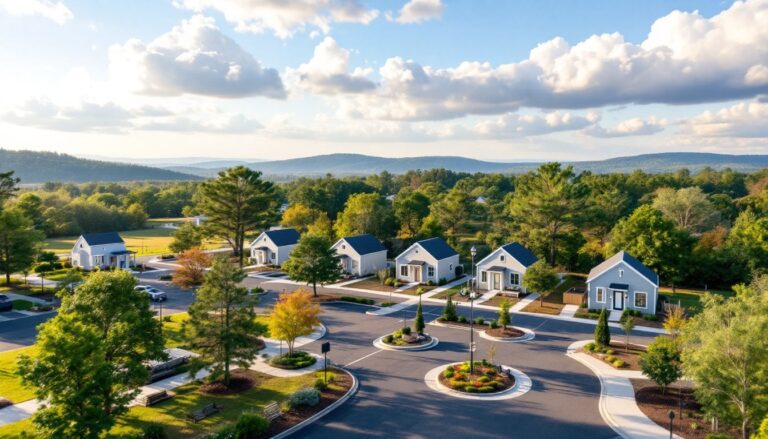
The tiny home trend isn’t just residential sentiment, it’s reshaping how developers and municipalities view housing density and land use. More counties are updating zoning codes to permit accessory dwelling units (ADUs) and small residential structures, removing previous barriers to tiny home placement on existing properties or dedicated communities.
What to Look for in a Tiny Home Builder
Not all builders are equipped to handle tiny home construction. The skill set differs significantly from conventional home building, managing tight spatial efficiency, custom layouts, and often non-standard dimensions requires specialized knowledge.
Experience and Specialization
When vetting builders, prioritize those with a documented portfolio of completed tiny homes. Ask for references and, if possible, site visits to their previous projects. A builder experienced in tiny homes understands the trade-offs between livability and compact design: they know how to integrate storage, manage plumbing and electrical runs in confined spaces, and source appropriately scaled fixtures and appliances.
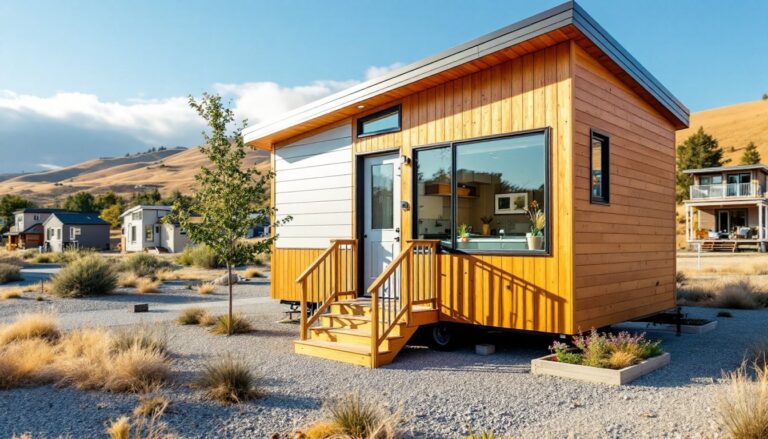
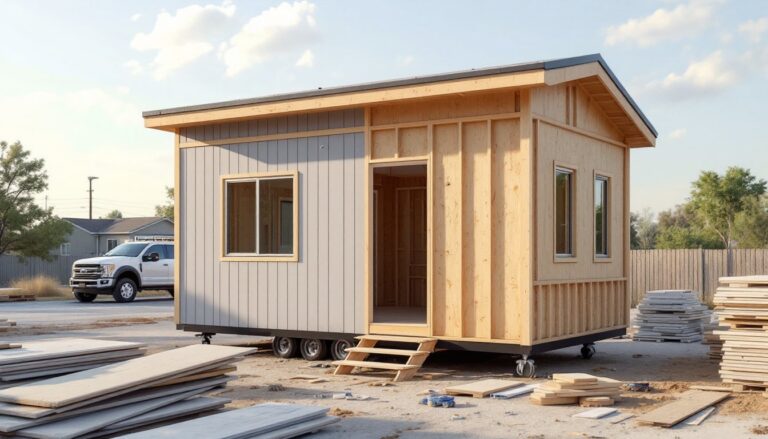
Experience with your specific tiny home type matters too. A builder who excels at traditional stick-frame tiny homes may not be the best fit if you want a trailer-based tiny home, a prefab unit, or one with unconventional roofing or structural requirements.
Licensing, Insurance, and Credentials
Verify that your builder holds a valid Maryland Home Builder’s License (MHBL) and carries general liability and workers’ compensation insurance. In Maryland, contractors working on residential projects must be licensed by the Home Builder’s Commission. This isn’t just bureaucracy, it protects you from uninsured liability and ensures the builder has passed background and competency checks.
Many reputable tiny home builders also pursue certifications in energy efficiency, sustainable building practices, or specialized construction methods. These credentials signal ongoing professional development and commitment to best practices. Don’t hesitate to ask for proof of licensing, insurance certificates, and references from municipal inspectors who’ve worked on their projects.
Top Tiny Home Builders Serving Maryland
Maryland has several builders and companies specializing in tiny homes, though the landscape is still evolving. PURE SIMPLICITY, a tiny home company based in Brookeville, Maryland, has built a reputation for custom designs and quality craftsmanship. You can find profiles and examples of their work on builder directories and platforms like Houzz.
Beyond individual builders, resources like HomeAdvisor allow you to filter for Maryland contractors specializing in small homes, ADUs, or custom builds. HomeAdvisor’s cost estimator and contractor-matching tools help narrow your search based on project type, budget, and location.
When researching, don’t rely solely on online reviews. Contact your local building department and ask which builders have submitted permits and passed inspections for tiny home projects in your area. Municipal records are public and invaluable for vetting contractors. Also reach out to local real estate agents and land trusts, they often know which builders are active and reputable in your county.
Navigating Costs and Financing Options
Tiny home construction costs in Maryland typically range from $150,000 to $350,000 depending on finishes, customization, and site conditions. That’s roughly $300 to $700 per square foot, higher than conventional homes per-square-foot but lower in absolute dollars. Labor, materials, and local building inspection fees all factor in: rural counties may have lower costs than Baltimore or suburban areas.
Financing a tiny home can be trickier than financing a traditional house. Many lenders classify tiny homes as non-standard residential or personal property rather than real estate, which affects loan terms and interest rates. Some options include construction loans, personal loans, or RV financing (if your tiny home is on a foundation-less trailer). A growing number of lenders now offer dedicated tiny home mortgages: shop around with banks, credit unions, and online lenders specializing in alternative housing.
Get multiple cost estimates from builders and always clarify what’s included: site prep, foundation, finishes, permits, inspections, utility connections. Hidden costs like soil testing, septic system installation (if off-grid), or zoning variance applications can add $10,000 to $50,000 to your project.
Zoning Laws and Building Codes in Maryland
Maryland’s building code is based on the International Residential Code (IRC) with state amendments. Tiny homes must comply with all applicable codes: minimum room sizes (bedrooms must be at least 7 feet x 10 feet), egress windows, ceiling height requirements (typically 7 feet 6 inches), and structural safety standards.
Zoning varies by county and municipality. Some jurisdictions permit tiny homes only as ADUs on owner-occupied properties: others allow them on standalone lots. A few Maryland counties have adopted specific tiny home ordinances streamlining permitting. Before purchasing land or committing to a builder, contact your county planning office to confirm zoning compliance and identify any required variances or special permits.
Foundation and site-specific codes also apply. If your tiny home sits on a concrete pad, you’ll need frost-line calculations and drainage design appropriate to Maryland’s soil conditions. If it’s on a trailer, it may fall under different regulations, some counties classify them as RVs, which carry separate rules. Building permits are mandatory: costs typically run $500 to $2,000 depending on project scope. Get an estimate from your builder and your local building department before breaking ground. Advanced construction techniques and building science, as detailed in resources from Fine Homebuilding, can help you understand code compliance and energy efficiency strategies.