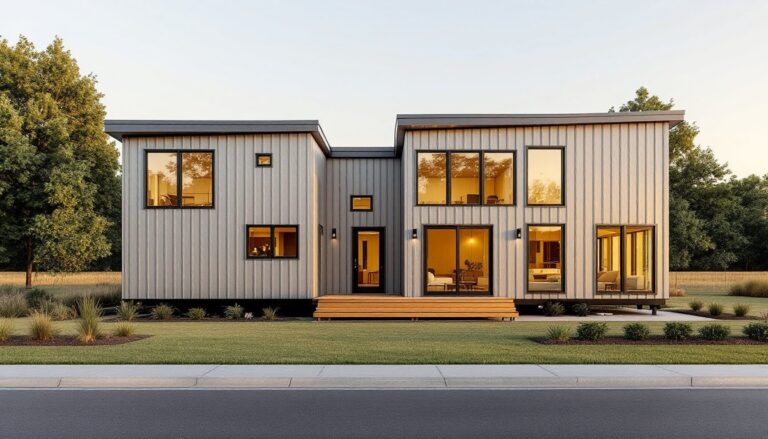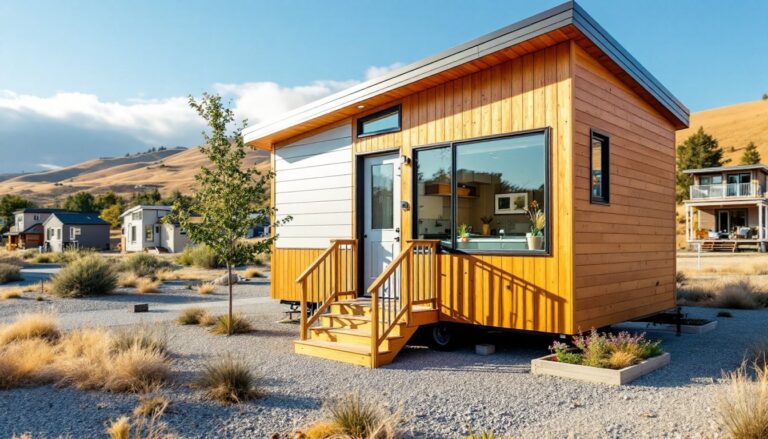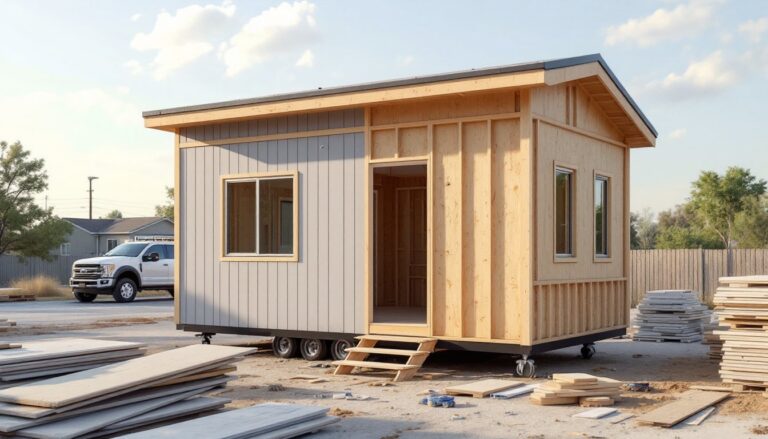
Tiny homes have transformed how people think about living space, and adding solar panels is a natural next step toward energy independence. Whether you’re working with 200 square feet or a sprawling 400-square-foot layout, solar power tailored to tiny living can slash utility bills and provide reliable backup power. Unlike larger homes, tiny homes present a unique challenge: maximizing energy from limited roof or ground space. This guide walks you through the practical realities of sizing, installing, and financing a solar system that actually fits your footprint and power needs.
Table of Contents
ToggleKey Takeaways
- Tiny home solar panels typically cost $8,000–$12,000 before incentives for a 4 kW system, with payback periods of 6–9 years due to lower energy consumption than standard homes.
- Most tiny homes use only 300–600 kWh per month compared to the national average of 900 kWh, making a modest 3–5 kW solar array capable of meeting a large portion of electricity needs.
- Rooftop solar is the practical choice for most tiny homes, but your roof must be inspected to handle 500–600 pounds of panels, racking hardware, and weight; skip this inspection at your own risk.
- Battery storage (5–10 kWh lithium systems) transforms tiny home solar panels from daytime-only power into true energy independence, costing $4,000–$8,000 installed.
- The federal Investment Tax Credit covers 30% of total system costs, and over 25 years, a 4 kW system saves roughly $30,000–$50,000 in avoided utility bills.
- DIY installation can handle racking preparation, but licensed electricians must handle electrical connections, permits, and grid interconnection to avoid voiding warranties and creating safety hazards.
Why Solar Power Makes Sense For Tiny Homes
Tiny homes already favor efficiency, insulation is tighter, square footage is lower, and passive heating and cooling come easier. Solar power amplifies that advantage. Most tiny homes use 300–600 kilowatt-hours (kWh) per month, compared to the national average of 900 kWh for standard homes. That smaller appetite means a modest solar array, say, 3–5 kilowatts (kW), can cover a large chunk of your electricity needs.
Financially, solar works harder in tiny homes. Your payback period shortens because you’re installing fewer panels to meet lower overall demand. A 4 kW system might cost $8,000–$12,000 before incentives (regional pricing varies widely), but your smaller monthly bill means the return compounds faster. Plus, if you ever need to move, modern solar systems are increasingly portable or transferable.
Beyond dollars, tiny home dwellers often value self-sufficiency. Solar pairs beautifully with off-grid ambitions, RV living, or remote land where grid connection costs prohibitive sums. Even grid-tied systems offer peace of mind: when the power goes out, a battery backup system keeps essentials running.
Understanding Solar Panel Options For Limited Spaces
Rooftop Vs. Ground-Mounted Systems
Rooftop systems are the standard for tiny homes. They take zero ground space, are harder to steal, and catch more consistent sun angles throughout the day. A south-facing roof in most of the continental US is ideal. Check your roof pitch: 30–40 degrees is textbook, but systems work well at anything between 15–50 degrees.
There’s a catch: structural load. A typical residential solar panel weighs 40–50 pounds. A 4 kW system (10–12 panels) lands around 500–600 pounds on your roof, plus the racking hardware. Tiny home roofs, especially on trailers or older structures, need inspection. Have a local contractor or engineer verify your roof can handle the weight. This isn’t something to guess at.
Ground-mounted systems work if you’ve got acreage. They’re easier to clean, angle for seasonal tilt, and require no roof modification. The trade-off: they occupy space and cost more to install because of extra electrical runs and concrete footings. For truly tiny homes on small lots, rooftop is almost always the practical choice.
Angle and orientation matter too. Portable solar panels, which some tiny dwellers use as a supplement, offer flexibility, you can reposition them during the day to track the sun. Best-in-class portable panels can generate 100–400 watts depending on size and are handy for seasonal adjustments or RV setups.
Calculating Your Energy Needs and System Size
Before buying a single panel, know your baseline. Pull 12 months of utility bills and calculate average monthly kWh consumption. If you don’t have a bill yet (new build, off-grid), estimate conservatively. Tiny homes with electric heat average 400–600 kWh/month: all-resistance heating can push 800+ kWh/month. Propane heating, wood stove, or heat pump systems drop demand significantly.
Next, calculate your peak sun hours. This varies by geography but ranges from 3–6 peak equivalent hours per day. A solar calculator or your local National Weather Service office can provide this. Use the formula: Monthly kWh demand ÷ peak sun hours ÷ 30 days = system size in kW. For a 450 kWh/month tiny home in a 5 peak-sun-hour zone: 450 ÷ 5 ÷ 30 = 3 kW system needed.
Don’t oversize recklessly. Every kW you add costs $2,000–$3,000 (before incentives), and excess generation gets exported to the grid at a lower rate than you pay for power (unless you’re off-grid). Build in a 20–25% cushion for cloudy days and panel degradation (all panels lose ~0.5% efficiency per year), but don’t chase 100% offset unless you’re committed to battery storage. Many tiny homeowners aim for 60–80% solar offset and keep grid connection as backup.
Installation Essentials For Tiny Home Solar
Battery Storage and Backup Power
Installation is where DIY gets murky. Electrical connections to your home’s panel, inverter sizing, and grid interconnection are governed by the National Electrical Code (NEC) and your local jurisdiction. Most places require a licensed electrician and a permit. Don’t skip this, improper installation voids warranties, creates fire hazard, and may disqualify you from rebates.
Here’s what you can DIY: racking prep. If your tiny home is on a foundation, inspect the roof framing, measure precisely, and install flashing and brackets per the racking manufacturer’s manual. Use stainless steel hardware, corrosion degrades connections fast. Sealant matters too: use a quality polyurethane roof sealant rated for solar arrays.
Electricians handle the heavy lift: running conduit from the array to the inverter (usually a 6–10 kWh battery-integrated unit for tiny homes), installing a disconnect switch, and tying into your breaker panel. This part runs $2,000–$4,000 in labor, depending on complexity and local rates. If your tiny home is an RV or mobile home, some jurisdictions have streamlined processes: ask your local building department.
Battery storage transforms solar from daytime-only power to true independence. A 5–10 kWh lithium battery banks energy for evening use or outages. Lithium is lighter and longer-lasting than lead-acid (20 vs. 5 years), but costs roughly $4,000–$8,000 installed. Top-performing portable solar solutions often pair with small batteries for true off-grid capability. Size your battery to cover essential loads during your longest cloudy stretch, typically 1–3 days in most US regions. A tiny home’s modest fridge, lights, and water heater might need only 3–5 kWh for a 24-hour autonomy window.
Cost, Financing, and Long-Term Savings
A 4 kW rooftop system in a tiny home runs roughly $8,000–$12,000 before incentives. Labor is typically 40–50% of that cost: equipment (panels, inverter, racking, electrical) is the rest. Add $4,000–$8,000 if you include battery storage. Regional pricing fluctuates: sunny states like California and Arizona sometimes have lower labor rates due to installer density, while rural areas may carry travel premiums.
The federal Investment Tax Credit (ITC) now covers 30% of total system cost, panels, labor, and batteries. That drops a $10,000 system to $7,000 out-of-pocket. Some states add extra rebates: check the Database of State Incentives for Renewables & Efficiency (DSIRE). Financing options include PACE (Property Assessed Clean Energy), home equity loans, or solar-specific loans at 3–7% APR.
Payback timelines for tiny homes are often 6–9 years, compared to 9–12 years for larger homes. After that, electricity is essentially free (accounting for minor inverter or battery replacement). Over 25 years (standard panel warranty), a 4 kW system saves roughly $30,000–$50,000 in avoided utility costs, numbers vary by local electricity rates and system performance. Expert reviews of durable portable solar setups show backup systems pay for themselves faster in off-grid scenarios where grid connection would otherwise cost tens of thousands.
Maintenance is minimal: rinse panels annually (or after dust storms) with a hose, and inspect electrical connections yearly. Most systems perform for 25+ years with no moving parts to wear out. Tiny home advantage strikes again, a roof you can actually reach and clean.