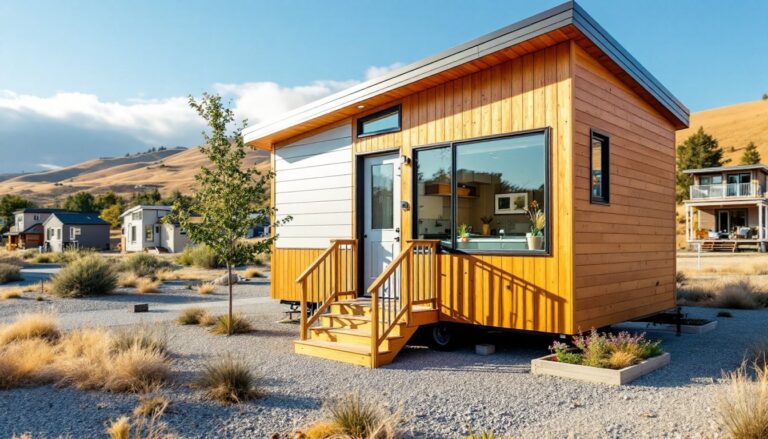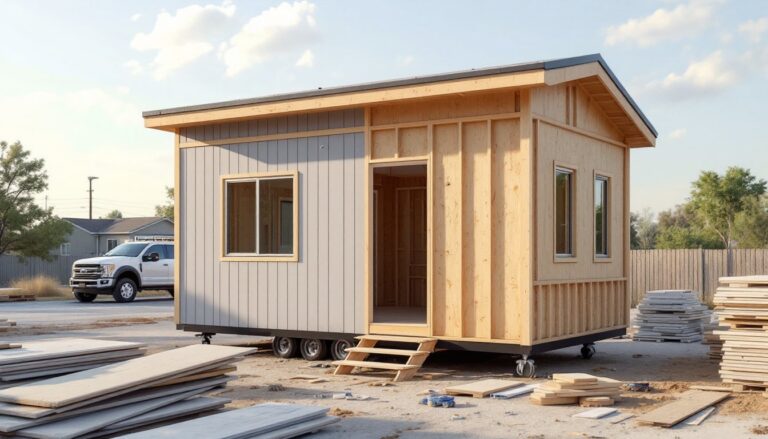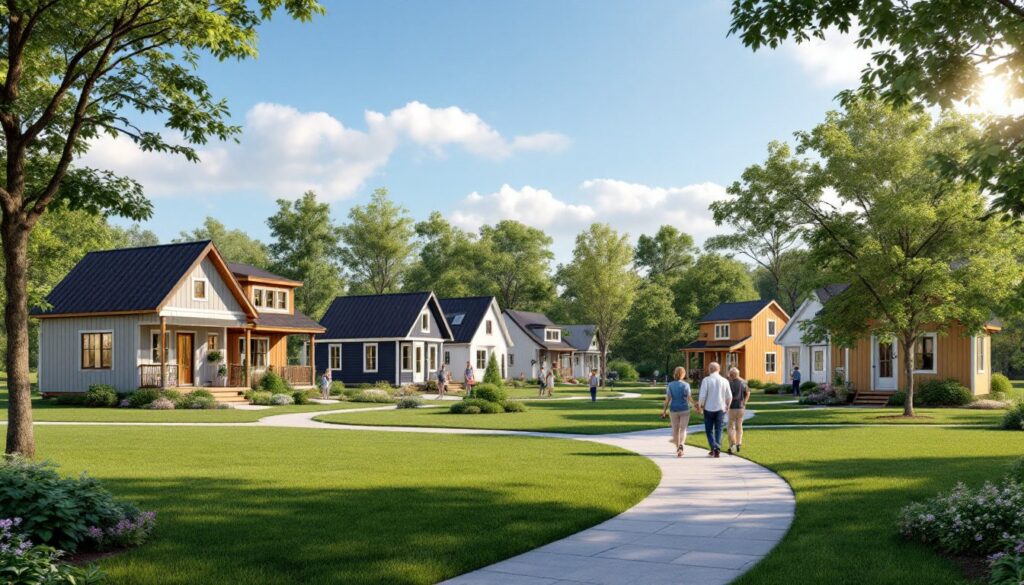

Pennsylvania’s tiny home movement is gaining real traction. Whether you’re drawn to the financial freedom of a smaller mortgage, the environmental appeal of compact living, or simply the practicality of less space to maintain, tiny home communities across PA are attracting serious buyers. Unlike the transient tiny home trend of a decade ago, today’s communities offer deed-restricted lots, shared amenities, and genuine neighborhood infrastructure. This guide walks you through what’s available, what it costs, and what to realistically expect from tiny home living in the Keystone State.
Table of Contents
ToggleKey Takeaways
- Tiny home communities in PA offer a compelling financial advantage, with purchase prices ranging from $180,000–$350,000 and utility costs roughly 40% lower than traditional homes.
- Pennsylvania’s moderate climate, reasonable land costs, flexible building codes, and property tax structure make it an ideal state for tiny home development and sustainable community building.
- Top communities like Ridgeline at Long Pond, Wolf Creek Meadows, and Timber Ridge provide established infrastructure, HOA governance, and distinct lifestyle options for buyers seeking intentional living.
- Before purchasing, review CC&Rs, bylaws, reserve fund studies, and verify fee-simple land ownership to understand long-term financial health and avoid surprise assessments or financing complications.
- Visit multiple tiny home communities in person, talk to current residents about regrets and unexpected costs, and confirm your lender offers competitive financing for sub-800-square-foot homes.
- Pennsylvania’s zoning is municipality-specific, so verify that your chosen community has recorded deed restrictions protecting green space and prohibiting lot subdivisions by future neighbors.
What Makes Pennsylvania an Ideal Location for Tiny Home Communities
Pennsylvania sits at a crossroads of affordability, regulation, and quality of life that favors tiny home development. Unlike coastal states with soaring land values, PA offers reasonable acreage costs, especially in rural and secondary markets. This translates to lower infrastructure costs for community developers and, eventually, lower purchase prices for residents.
The state’s climate is moderate enough that tiny homes don’t require extreme insulation or cooling measures that pile on construction costs. A well-built Pennsylvania tiny home with standard R-value insulation performs well year-round. Also, PA’s property tax structure varies by county and municipality, meaning savvy buyers can find lower-tax districts where a smaller footprint equals genuine savings.
PA’s building code follows the International Residential Code (IRC) with state amendments, which is straightforward for tiny home design and permitting. Unlike some states with rigid architectural review boards, Pennsylvania communities tend to be flexible about alternative housing types, provided all structural, electrical, and plumbing work meets code. Many municipalities have begun updating ordinances to explicitly allow accessory dwelling units (ADUs) and small footprint homes.
Top Tiny Home Communities Currently Operating in PA
Several communities have established themselves as go-to destinations for tiny home buyers in Pennsylvania.
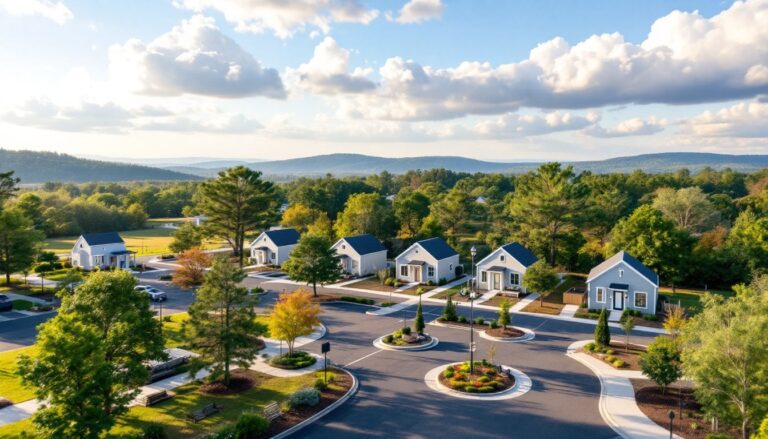
Ridgeline at Long Pond (Monroe County) is one of the state’s largest and most mature tiny home communities, with around 85 occupied homes ranging from 600 to 900 square feet. Homes sit on individual lots with shared green space, and the community has established HOA infrastructure with clear resale protocols.
Wolf Creek Meadows (Franklin County) focuses on sustainability, with net-zero and near-net-zero homes as the default. Residents pay a premium upfront but realize energy cost savings quickly. The community is smaller, roughly 20 homes planned, but highly curated.
Blakely Station (Lackawanna County) is closer to the Scranton area and offers a mix of owned and deed-restricted rental tiny homes, making it accessible to renters exploring the lifestyle before buying.
Timber Ridge (Chester County) serves Philadelphia’s commuter belt and emphasizes walkability and proximity to transit. Homes here trend toward 700–900 square feet and carry higher price points reflecting the location.
Each community has distinct rules about exterior finishes, lot coverage, vehicle parking (some restrict RVs or street parking), and pet policies. Before visiting, request the HOA CC&Rs (Covenants, Conditions & Restrictions) and bylaws, these documents define what you can and can’t do with your home.
Cost Benefits and Financial Considerations
Tiny home pricing in Pennsylvania ranges from $180,000 to $350,000 depending on location, finishes, and whether the home is new or resale. Compare this to the state’s median home price of roughly $275,000 for a 1,500+ square foot house, and the math is compelling, if you can accept 600–800 square feet of living space.
The real financial win is operating costs. A tiny home’s heating, cooling, and hot water demands are dramatically lower than a standard house. Residents report annual utility bills of $40–60 per month in mild seasons and $100–150 in winter, roughly 40% of what a full-size home costs. Property taxes follow the assessed value, so a $250,000 tiny home in a 1.2% tax district costs about $3,000 annually versus $5,500 for a $450,000 house in the same district.
But, budget for HOA fees. Most communities charge $150–300 monthly for maintained common areas, road upkeep, and reserve funds. This isn’t optional, and it’s rising 2–3% annually. Also, small-footprint homes require strategic furniture and storage choices. Expect to spend $2,000–5,000 on built-in shelving, Murphy beds, or loft structures if you want functional living space, this isn’t always included in the purchase.
Financing tiny homes can be tricky. Some lenders hesitate on sub-800-square-foot homes, so confirm pre-approval with a mortgage broker before committing. FHA loans and conventional mortgages with 10–20% down are standard, though interest rates may be 0.25–0.5% higher than for conventional homes due to perceived risk.
Lifestyle and Community Appeal for DIY Enthusiasts
Tiny home communities appeal strongly to hands-on homeowners and those serious about reducing consumption. The smaller square footage forces intentional design choices, you can’t hide clutter or ignore inefficient layouts. For DIYers, this is a feature, not a bug.
Many residents find that tight living spaces inspire creative projects: Murphy bed installations, wall-mounted desks, sliding barn doors to divide spaces, and built-in shelving. Real Simple’s guides to home organization and compact living hacks are go-to resources for owners optimizing their footprint. You’re also working within a defined envelope, so projects rarely involve structural concerns: most are cosmetic or functional upgrades that don’t require permits.
Community life varies by neighborhood. Some communities emphasize social events, shared workshops, and tool libraries. Others are quieter, attracting introverted professionals who want lower overhead and less neighbors. Research the community’s social tone during visits, talk to current residents, attend HOA meetings if possible, and ask about turnover rates. High turnover (over 15% annually) suggests resident dissatisfaction.
DIY-friendly communities often have active WhatsApp or Facebook groups where residents trade contractor recommendations, bulk-buy materials, and organize skill-shares. This informal network is invaluable for finding trustworthy handypeople and avoiding overpriced service calls.
Zoning, Regulations, and Legal Requirements in Pennsylvania
Pennsylvania’s zoning landscape is fragmented, each municipality controls its own ordinances, and what’s permitted in one township may be forbidden in another. Tiny homes aren’t explicitly prohibited anywhere in the state, but they’re not always explicitly allowed either.
Most tiny home communities exist in unincorporated areas or in municipalities that have amended zoning to allow cluster developments or accessory dwelling units. Before purchasing, verify that the community has recorded deed restrictions (separate from zoning) that guarantee neighbors can’t subdivide lots or build new structures that shrink your green space. Deed restrictions run with the land and bind future owners, zoning changes can’t override them.
Structural and utilities code is straightforward. All tiny homes must meet the IRC, including requirements for egress windows (two means of exit per bedroom), electrical capacity (typically 100–200 amp service), plumbing to code, and HVAC sizing. Inspection and permitting are standard: there’s no exemption for small square footage. Foundation types vary, some communities use slab-on-grade (cheaper, lower maintenance), others use crawl spaces or pilings. Ask the developer what’s required and whether you can upgrade.
Curbed’s reporting on zoning trends and housing regulations offers broader context on how municipalities nationwide are adapting codes for compact living. Pennsylvania is generally permissive compared to high-regulation states, which is partly why developers are active here.
One critical detail: confirm the land you’re buying is fee-simple ownership or a long-term lease. Most communities sell fee-simple (you own the land outright), but a few use 99-year leases. This affects resale, financing, and long-term security. Leasehold communities are riskier for buyers unless the lease term is 75+ years.
How to Evaluate and Choose the Right Tiny Home Community
Choosing a tiny home community requires assignments beyond curb appeal. Start by visiting 2–3 communities and spending at least an hour in each. Walk the streets, sit in common areas, and approach residents at random. Ask about their regrets, their unexpected costs, and how quickly the community felt like home.
Request and read the full CC&Rs, bylaws, and reserve fund study. These documents reveal HOA management quality and whether the community is financially healthy. A healthy reserve fund (typically 10–25% of annual operating budget) signals that the community isn’t deferring maintenance or burdening residents with surprise assessments. Red flags include high turnover, deferred common area maintenance, disputes in HOA meeting minutes, or frequent rule changes.
Evaluate the location’s infrastructure. Can you easily reach grocery stores, hospitals, and your workplace? Is public transit available if you downsize to one vehicle? Pennsylvania’s rural communities offer peace but may isolate you if you don’t have reliable transportation. Apartment Therapy’s guides to apartment living and community touch on how neighborhood character affects day-to-day satisfaction, the same principles apply to tiny home communities.
Inspect the model home or a similar finished unit carefully. Check ceiling height in bedrooms (some tiny homes feel cave-like), water pressure and hot water recovery time, appliance sizing, and whether the floor plan matches your lifestyle. Many regrets stem from undersized kitchens or single-bathroom configurations that didn’t suit the buyer’s actual needs.
Finally, talk to your mortgage lender early. Not all lenders finance tiny homes equally. A few offer special tiny home loan programs with favorable rates: others avoid them entirely. Knowing your financing options before falling in love with a property prevents heartbreak.
Conclusion
Tiny home communities in Pennsylvania offer a genuine middle ground between traditional homeownership and downsizing. The state’s reasonable land costs, flexible building code, and growing developer interest create real options for buyers serious about a smaller footprint. Success comes down to honest self-assessment, will you truly be happy in 700 square feet, or are you romanticizing the idea? Visit communities, read the fine print, and talk to current residents. Pennsylvania’s tiny home landscape is maturing: the communities operating today will likely be stable, thriving neighborhoods five years from now.