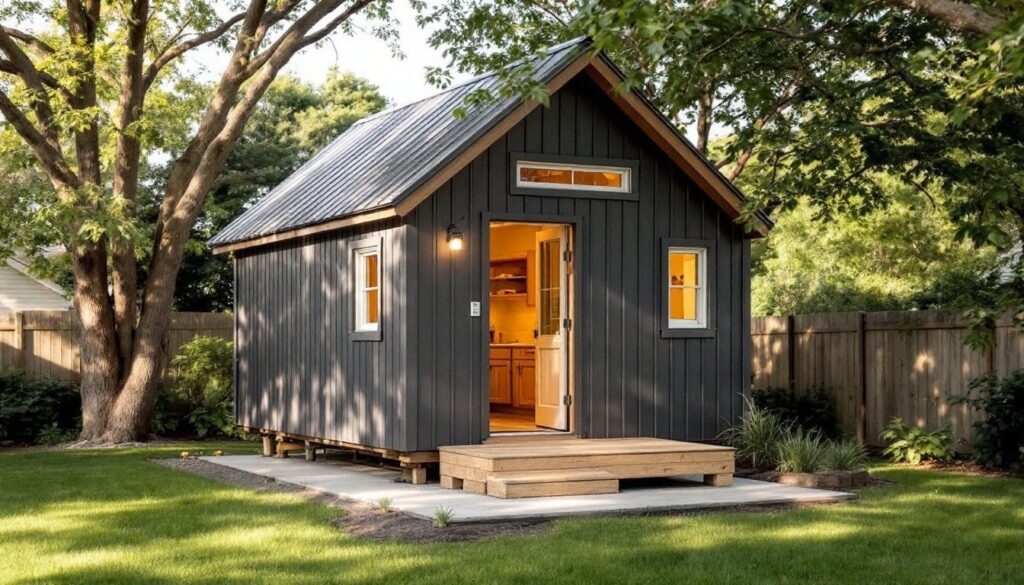

The tiny house movement continues to reshape how people think about homeownership, and tiny shed homes are at the forefront of this shift. Unlike traditional tiny houses on wheels, shed homes offer a more permanent, affordable foundation for minimalist living. Whether you’re looking to downsize, create a guest space, or build an accessory dwelling unit (ADU), understanding what makes a tiny shed home work is essential. This guide walks through the practical considerations, from zoning laws to structural planning, so you can decide if shed home living is right for your situation.
Table of Contents
ToggleKey Takeaways
- A tiny shed home is a 100–400 square-foot permanent dwelling designed with kitchen, bathroom, and sleeping quarters, costing $30,000–$80,000—far less than conventional homes.
- Tiny shed homes offer substantial utility and property tax savings, with annual bills often under $500 in moderate climates, making them ideal for cost-conscious homeowners.
- Functional shed home design requires efficient layouts such as open-concept with sleeping lofts or single-floor designs, combined with vertical storage and durable finishes to maximize limited space.
- Zoning and building permit requirements vary dramatically by jurisdiction—always verify local regulations regarding ADU allowances, lot sizes, setbacks, and building codes before purchasing land or starting construction.
- You can buy pre-built shed homes, build from scratch using DIY plans, or use a hybrid approach combining kit purchases with professional framing and contractor work.
- Shed homes align with sustainability and affordability goals by reducing material consumption, energy demand, and land sprawl while supporting walkable community development.
What Defines a Tiny Shed Home
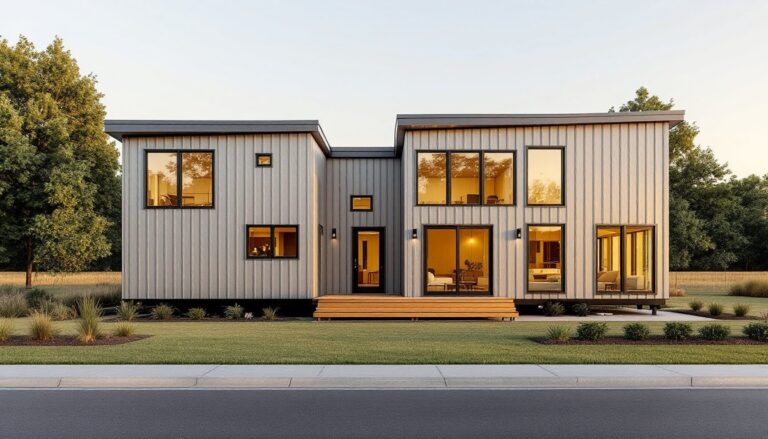
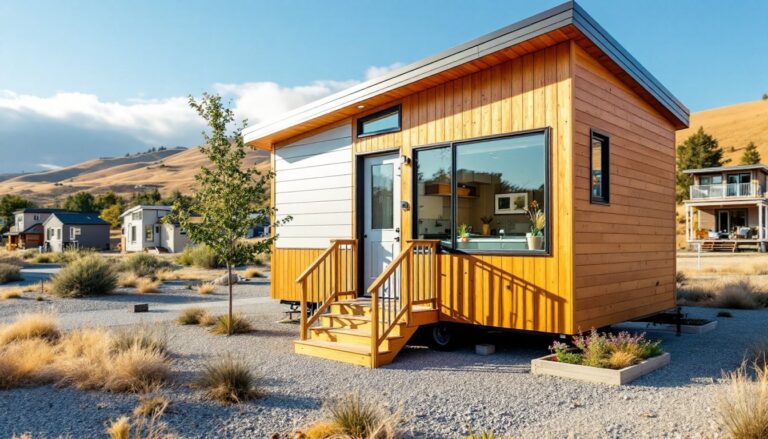
A tiny shed home is a small, standalone residential structure, typically between 100 and 400 square feet, built on a permanent foundation. It differs from a garden shed or storage building because it’s designed and permitted as a legal dwelling with kitchen facilities, bathroom, and sleeping quarters. Most shed homes use a simple rectangular or L-shaped footprint with a pitched roof, a design borrowed directly from traditional agricultural sheds but adapted for year-round habitation.
The defining feature is its modest footprint and cost-effective construction. A typical shed home might measure 12 feet wide by 24 feet long, sitting on a concrete pad or frost-protected shallow foundation (FPSF). Interior ceiling heights usually range from 8 to 9 feet, and the structure uses standard wood-frame construction with 2×4 or 2×6 studs. Because shed homes don’t require the complex mechanical systems of larger homes, they can be built, permitted, and occupied more quickly than conventional residences.
The style appeals to various demographics: young homeowners avoiding mortgage debt, retirees downsizing, families needing guest quarters, or landowners creating rental income. Some communities recognize shed homes as accessory dwelling units (ADUs), which have become a hot topic in urban planning and zoning reform. Understanding your local definition is critical before buying or building.
Key Benefits of Shed Home Living
Cost Savings and Affordability
Building a tiny shed home can cost significantly less than a conventional home. A completed shed home typically runs $30,000 to $80,000 depending on finishes, location, and whether you’re doing labor yourself or hiring contractors. A mortgage on that price range is dramatically lower than on a standard $300,000+ home. Material costs are straightforward: standard lumber, OSB sheathing, asphalt shingles, and vinyl siding are all commodity items with predictable pricing.
Utility costs follow suit. Heating and cooling a 200-square-foot space requires far less energy than a 2,000-square-foot home. Insulation becomes highly cost-effective when you’re weatherizing such a small thermal envelope. Many shed homeowners report annual utility bills under $500 in moderate climates. Property taxes are also lower, and since these structures often qualify as accessory dwelling units, they may even generate rental income to offset costs.
Minimal Environmental Footprint
Tiny shed homes align naturally with sustainability goals. Their small footprint requires less raw material, less lumber, less concrete, less drywall, less roofing. If you’re using beginner-friendly building guides to source materials thoughtfully, you can emphasize reclaimed wood, low-VOC finishes, and efficient mechanical systems. The reduced energy demand for heating, cooling, and lighting makes these homes far less carbon-intensive over their lifetime.
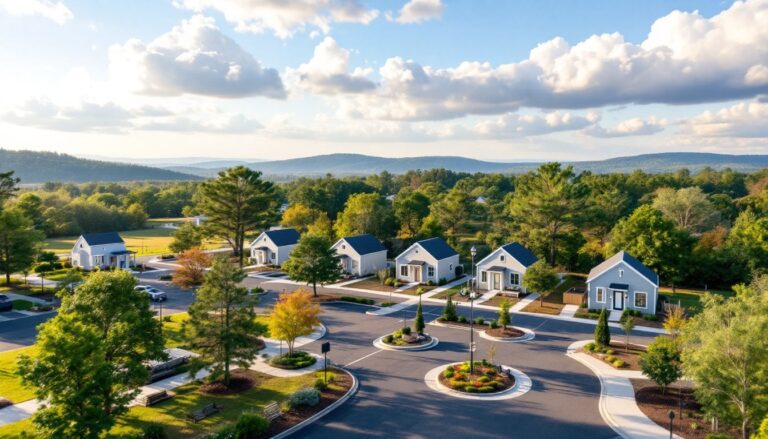
Land use is also more efficient. Instead of consuming a full residential lot, a shed home can sit on an acre shared with other structures or behind an existing house as an ADU. This density supports walkable communities and reduces sprawl, goals that align with both environmental stewardship and housing affordability advocates.
Essential Design and Layout Considerations
Designing a functional shed home demands ruthless efficiency. Every square foot must earn its keep. The layout typically follows one of a few proven patterns:
Open concept with sleeping loft: A 12×24 footprint can have living and kitchen areas on the main floor with a loft bed above, accessed by stairs or a ladder. This maximizes usable floor space and creates visual height.
Single-floor with efficient bathroom: Some prefer avoiding stairs. A murphy bed or compact sleeping area on the main floor works if you prioritize accessibility and simplicity.
Kitchen placement: Position the kitchen along one wall to contain utilities and plumbing. A galley kitchen layout (two parallel counters) is proven to work in tight spaces and minimizes wasted steps.
Interior finishes should be durable and maintenance-friendly. Vinyl plank flooring, laminate countertops, and eggshell paint finishes resist wear and clean easily. Storage is critical, think vertical shelving, built-in cabinetry, and furniture serving dual purposes. Ideas from small space living guides often apply directly to shed homes, even if their focus is apartments.
Windows and skylights dramatically affect livability. Orient windows toward natural light and views: skylights add brightness without eating wall space. Insulation values matter: R-15 to R-21 in walls, R-30 to R-38 in attic space, and R-15 to R-25 under floors are typical targets, varying by climate. Proper air sealing at joints prevents drafts and reduces heating/cooling load.
Getting Started: Building vs. Buying
You have two main paths: purchase a kit or pre-built unit, or build one yourself (or hire contractors).
Buying pre-built: Companies and builders now offer ready-to-occupy or nearly-complete shed homes. Costs typically range from $45,000 to $120,000 depending on features and site delivery. Upsides include shorter timelines, professional construction quality, and no learning curve. Downsides are limited customization and transportation fees for relocation. Many come on trailers, which may require a foundation and utility connection on-site.
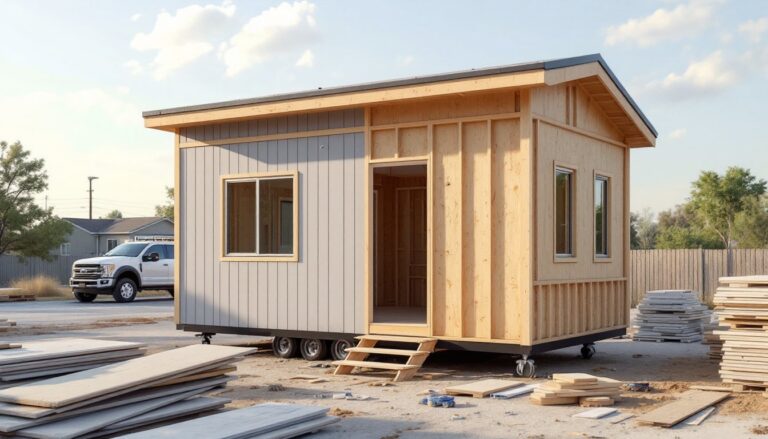
Building from scratch: DIY builders can source materials locally, customize layouts, and cut costs, but they must invest time and learn construction skills. Woodworking project tutorials and sites like Ana White offer free plans for small structures, though you’ll want plans engineered for your local wind, snow, and seismic loads. Hiring a mix, DIY on finishing, contractors for concrete and framing, is common and smart.
Hybrid approach: Buy a basic kit frame and handle interior finishing yourself. Many regional builders offer this option, reducing timeline while preserving design control.
Regardless of your choice, factor in site prep. You’ll need a level, drained foundation: utility runs for water, electric, and sewer: and road access. Professional site survey and foundation work rarely exceed $3,000 to $8,000 but are non-negotiable for long-term stability.
Zoning, Permits, and Legal Requirements
This is where many shed home projects stall or fail. Zoning and building codes vary dramatically by jurisdiction, so you must check local regulations before buying land or starting construction.
Key questions to ask your local building department:
- Is a detached structure on your lot allowed? (Some single-family zoning prohibits ADUs or second dwellings.)
- What’s the minimum lot size? (Many require 1 to 2 acres for an ADU.)
- How far must the building be from property lines, other structures, and water bodies? (Setback rules are strict.)
- Does the shed home require a separate meter for utilities, or can it tie into the main house system?
- Are there height restrictions, roof pitch requirements, or architectural guidelines?
- What’s the permit cost and timeline? (Expect 4 to 12 weeks for approval in many places.)
Building codes apply: The International Residential Code (IRC) governs construction in most U.S. jurisdictions. Shed homes must meet egress requirements (two exits for sleeping areas), electrical codes (NEC standards), plumbing codes, and energy efficiency standards. These aren’t optional suggestions, they’re legally required and inspected.
Financing and title issues: A shed home on your own property is straightforward to finance as a home improvement or ADU loan. But if you’re buying land with a shed home already built, lenders may view it skeptically unless it’s permitted and on permanent foundation. Always get a title search and confirm the structure is legally classified as a dwelling.
Rental implications: Some jurisdictions restrict short-term rentals of ADUs or require specific licensing. Know your local rules before assuming you can Airbnb your shed home. Long-term rentals are typically more flexible but may trigger landlord-tenant law compliance.
Ignoring these requirements invites fines, forced removal, or losing your investment. Spend a few hours with your building department upfront, it saves thousands later.