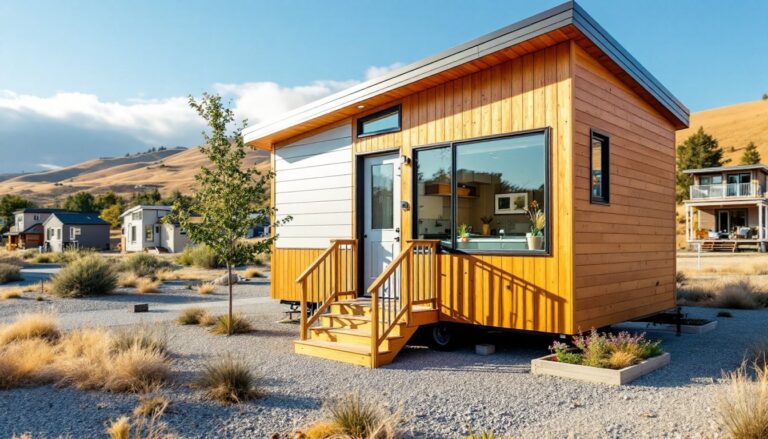
Oregon’s tiny home movement has quietly transformed how people think about homeownership and sustainable living. Unlike the Pinterest-perfect miniature houses you’ve seen online, modern tiny home communities in Oregon offer real solutions for affordability, community connection, and reduced environmental impact. Whether you’re a first-time homebuyer priced out of traditional markets or someone seeking a simpler lifestyle, Oregon’s established and emerging tiny home neighborhoods provide practical pathways to ownership. This guide walks you through what these communities actually are, why Oregon leads the nation, and how to evaluate whether tiny home living fits your situation.
Table of Contents
ToggleKey Takeaways
- Tiny home communities in Oregon offer affordability ($150,000–$350,000) as a realistic entry point for first-time homebuyers priced out of traditional $500,000+ markets.
- Oregon leads the nation in tiny home development due to urban growth boundaries, favorable zoning regulations (eliminating minimum house size restrictions since 2015), and a climate that makes smaller spaces livable year-round.
- Total monthly housing costs in Oregon tiny home communities often fall under $2,300, including mortgage, HOA fees, utilities, and property taxes—significantly lower than suburban alternatives.
- Tiny home communities prioritize walkability and shared amenities (gardens, co-working spaces, community centers) that reduce isolation and foster stronger social connections than traditional neighborhoods.
- Before purchasing, verify the ownership structure (freehold, condo association, or land-lease), as this determines equity building, financing eligibility, and long-term costs.
- Communities like Wolf Creek Commons in Portland and Ponderosa Village in Bend showcase successful models, though community living requires comfort with shared infrastructure and social tolerance with neighbors.
What Are Tiny Home Communities?
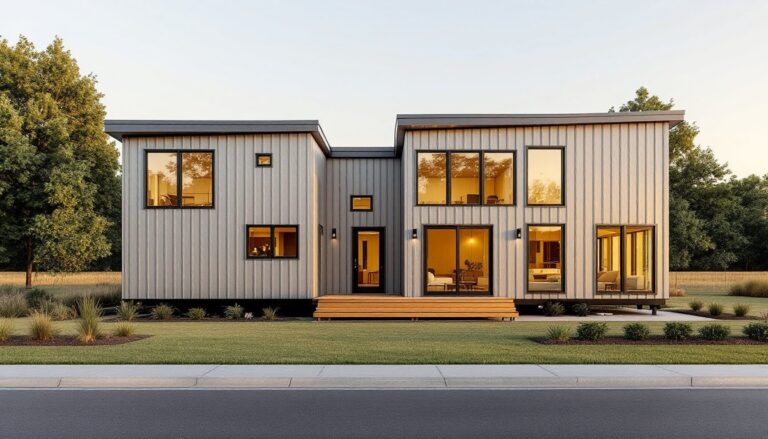
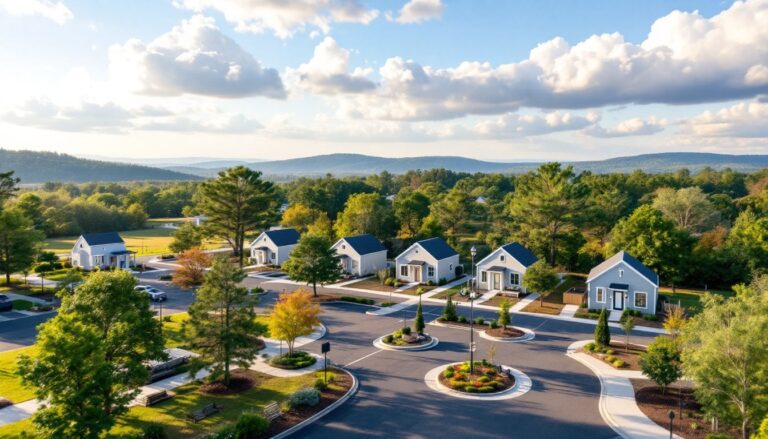
Tiny home communities aren’t just a collection of small houses scattered across land. They’re intentionally designed neighborhoods where homes typically range from 400 to 800 square feet, well below the U.S. median of 2,100 square feet. The key difference from standalone tiny homes is infrastructure: shared amenities, managed common areas, and often cooperative governance structures.
These communities usually sit on a larger master-planned development with deed restrictions, HOA oversight, and design guidelines. Individual residents own their homes outright or finance mortgages, but the land itself may be leased (as in manufactured home parks) or owned as part of a condo association. Utilities, roads, and green spaces are maintained collectively, which keeps individual costs lower than traditional subdivisions.
Think of it as somewhere between an apartment complex and a suburban neighborhood. You get privacy in your own home, autonomy over your space, but with built-in social infrastructure. Most Oregon tiny home communities include walking paths, community gardens, co-working spaces, or shared workshop areas. This design intentionally fights isolation, a real consideration when you’re living in 600 square feet.
Why Oregon Is Leading the Tiny Home Movement
Oregon didn’t stumble into the tiny home spotlight by accident. Several factors positioned the state as a national leader. First, Oregon’s urban growth boundary around Portland and other cities has kept land prices elevated, making small-footprint homes a practical necessity for affordability. Second, the state’s climate, mild winters and moderate summers, makes smaller spaces more livable year-round compared to extreme climates.
More importantly, Oregon’s regulatory environment is friendlier than most states. In 2015, Oregon removed restrictions that required minimum house sizes in many jurisdictions. Cities like Portland, Salem, and Bend now actively encourage accessory dwelling units and smaller homes as part of housing policy. The Oregon Department of Land Conservation and Development (DLCD) has explicitly supported tiny home communities as a strategy to address housing shortages.
Economically, recent housing cost reports show Oregon median home prices climbing past $500,000 in many metro areas, pushing traditional first-time buyers out of the market. Tiny homes, priced between $150,000 and $350,000 (depending on finishes and location), have become the realistic entry point for younger families and single professionals. That affordability gap is real: a couple earning $65,000 annually can qualify for a $250,000 tiny home mortgage far more easily than a $500,000 traditional house.
Top Tiny Home Communities to Explore in Oregon
Pocket neighborhoods and established communities offer different experiences depending on your lifestyle priorities.
Portland Metro Area: Wolf Creek Commons in Portland and Springbrook Village in Hillsboro represent two of Oregon’s most mature tiny home developments. Wolf Creek Commons features 24 homes under 700 square feet in a walkable layout with community buildings and shared gardens. Springbrook Village offers 40+ units with on-site services and is designed for residents 55+. Both have waiting lists, indicating strong demand. Smaller projects like Zaytuna Farm Collective (a regenerative agriculture focus) attract buyers specifically interested in sustainability.
Central Oregon (Bend/Redmond): The Sunriver area and Bend proper have seen explosive tiny home development due to tech industry migration and tourism demand. Ponderosa Village and similar projects in Bend offer more modern construction (often with higher finishes) than older coastal communities, commanding prices closer to $300,000–$400,000 for 600–700 square feet.
Salem and Willamette Valley: Smaller communities like Salem’s Keizer, though less dense with tiny homes, offer lower land costs ($180,000–$250,000 for a finished tiny home) and shorter commutes. These areas attract retirees and remote workers seeking lower cost-of-living regions within Oregon.
Before visiting any community, confirm whether the property is a manufactured home park (land lease), condo association, or freehold ownership. This shapes your long-term costs, equity building, and resale flexibility.
Costs and Financing Options for Oregon Tiny Homes
Purchase prices for move-in-ready tiny homes in Oregon typically fall between $150,000 and $350,000. Recent market data shows coastal communities (Yachats, Cannon Beach area) skew higher due to tourism and limited land. Interior valley locations cost 20–30% less. Always add soft costs: survey, title work, inspection (expect $500–$1,500 total).
Monthly expenses break down as follows: mortgage payments (15–20 year terms around $1,000–$1,800 for a $250,000 loan at current rates), HOA fees ($150–$400 depending on community amenities), utilities ($80–$150 for electric/water in a well-insulated space), and property taxes (typically 0.97–1.05% of assessed value in Oregon, so $100–$200 monthly for a $150,000 home). Combined, total monthly housing costs often land under $2,300 for a modest tiny home.
Financing hurdles are real: many conventional lenders are unfamiliar with tiny homes and may require special appraisals. Credit unions and portfolio lenders (banks holding their own mortgages) are more flexible. FHA loans can work if the home meets minimum square footage, some tiny homes qualify, others don’t, depending on zoning classification. If buying a land-lease (manufactured home park style), lenders require proof of long-term land lease stability and reasonable annual increases (capped at 3–5% annually is standard). For buyers with modest down payments, manufactured home specialist lenders like Vanderbilt Mortgage offer programs tailored to this market.
Grant and incentive programs vary by county. Clackamas County has offered down-payment assistance for first-time homebuyers purchasing in tiny home communities. Check with your county housing authority for local programs before assuming out-of-pocket costs.
Lifestyle Benefits and Community Amenities
Living in a tiny home community isn’t just about square footage, it’s a fundamentally different lifestyle. Most communities are designed for walkability: residents can access co-working spaces, fitness facilities, or gardens without a car. This reduces transportation costs and creates informal social networks. Unlike suburban cul-de-sacs where neighbors barely wave, tiny home pocket neighborhoods often feature shared meals, tool libraries, or community events. Studies from the Urban Land Institute show residents in cohousing-style communities report higher life satisfaction and lower isolation than suburban or isolated rural residents.
Amenities vary dramatically. Budget communities (manufactured home parks transitioning to community management) may offer only a mailhouse and paved roads. Premium developments include heated community centers, dedicated garden plots, playgrounds, and dog parks. Some Oregon communities partner with local nonprofits: Zaytuna Farm Collective, for example, includes agricultural education and a farm stand. Bend communities often feature bike trails connecting to regional outdoor recreation.
For remote workers and freelancers, shared workspace is increasingly standard. Ponderosa Village in Bend and Wolf Creek Commons in Portland both include community kitchens and work areas. This addresses the psychological challenge of working and living in 600 square feet, you gain flexibility to work elsewhere without a second mortgage.
But, honesty matters: community living requires social tolerance. If you need complete privacy and distance from neighbors, a rural parcel or standard suburban home is a better fit. Thin walls, shared laundry facilities (in some older projects), and HOA involvement aren’t for everyone.
How to Get Started: Buying or Building Your Tiny Home
Step 1: Clarify your financial picture. Calculate total monthly housing costs (mortgage + HOA + utilities + property tax) realistically. Oregon’s property tax is lower than many states but not free. Use online calculators or consult with a mortgage broker who handles tiny homes, conventional loan officers often don’t understand the category. Real cost guidance from sources like Angi’s home cost guides helps establish accurate baselines.
Step 2: Understand zoning and ownership structure. Is the property freehold (you own the land), condo association, or land-lease? Freehold offers maximum equity building. Land-lease (manufactured home park) offers lower purchase price but ongoing land rent. Condo association falls between, you own the home, share common infrastructure. Each affects resale speed, financing eligibility, and long-term costs. Request the HOA document, land lease terms, and recent meeting minutes before making an offer.
Step 3: Find communities aligned with your values. Tiny home enthusiasts often share environmental or social commitments. Visit multiple communities: talk to residents, attend a community gathering, review the design guidelines. Some communities are LGBTQ+-focused, others target 55+ retirees, still others emphasize regenerative agriculture. Oregon’s diversity means finding the right fit is realistic. Start with the City of Portland’s tiny home resource page or contact the Tiny House Society of Oregon for community lists.
Step 4: Get a professional inspection. Many tiny homes are manufactured homes (built in factories to HUD standards) or are custom-built in batches. Even new homes need inspection, focus on roof sealing, foundation, and insulation quality. In wet Oregon, moisture infiltration and mold prevention are critical. A home inspector familiar with small-footprint construction will save regrets.
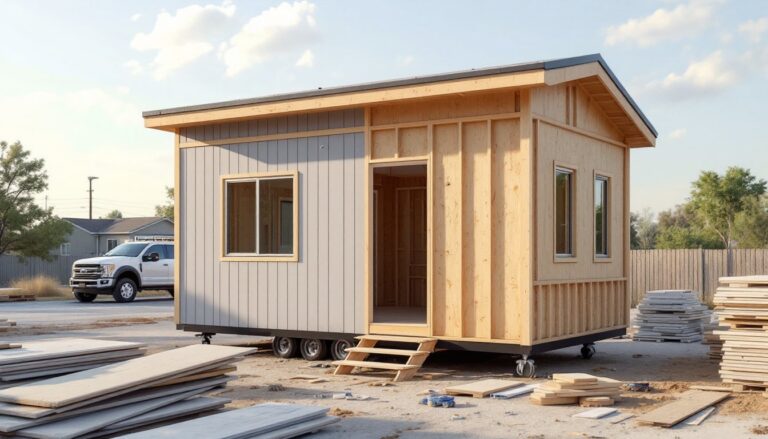
Step 5: Consider building vs. buying. A handful of Oregon communities (particularly in Bend) allow individual custom builds within design guidelines. Building costs run $150–$250 per square foot for finished product, depending on finishes and labor. A 600-square-foot custom home costs $90,000–$150,000 in materials and labor, then add land/community fees. Pre-built homes in established communities eliminate construction risk and timeline uncertainty, though you sacrifice customization.
Discover design inspiration and real-world tiny home tours through Apartment Therapy’s small space guides to understand layout strategies before committing.
Conclusion
Tiny home communities in Oregon represent a practical, not trendy, response to housing affordability and environmental concerns. They work best for people willing to embrace community engagement, embrace compact living, and value walkability over square footage. Oregon’s regulatory framework, climate, and existing infrastructure make the state a realistic proving ground. Before moving forward, attend community open houses, run honest financial scenarios, and confirm the ownership structure fits your long-term goals. For the right buyer, tiny home living delivers both financial breathing room and genuine community, something few housing options offer today.