Maryland’s housing market has shifted dramatically over the past five years. Homeowners increasingly seek alternatives to sprawling suburban developments, and tiny home communities have emerged as a practical solution. These communities, typically featuring homes between 400 and 1,000 square feet, offer affordability, sustainability, and a sense of shared community that traditional neighborhoods sometimes lack. Whether you’re a first-time buyer, downsizer, or someone seeking a simpler lifestyle, understanding tiny home communities in Maryland can open doors to homeownership that felt previously out of reach. This guide walks you through what makes these communities tick, the best options Maryland offers, and whether compact living is the right fit for your household.
Table of Contents
ToggleKey Takeaways
- Tiny home communities in Maryland offer 30-40% lower purchase prices and 40-50% reduced utility costs compared to traditional homes, making homeownership accessible for first-time buyers and downsizers.
- These intentionally planned developments emphasize shared amenities, sustainability practices, and community engagement, creating neighborhoods that foster genuine social connection beyond traditional suburban isolation.
- Financing tiny homes requires starting with credit unions or community banks rather than national chains, as most lenders view homes under $100,000 more favorably than traditional mortgage providers.
- Successful tiny home living demands honest self-assessment about lifestyle compatibility—empty-nesters and young couples thrive, while families with multiple children and collectors often struggle with limited square footage.
- Visit prospective tiny home communities at various times and speak with current residents to evaluate whether the community culture, governance structure, and covenant restrictions align with your long-term values and flexibility.
What Defines a Tiny Home Community
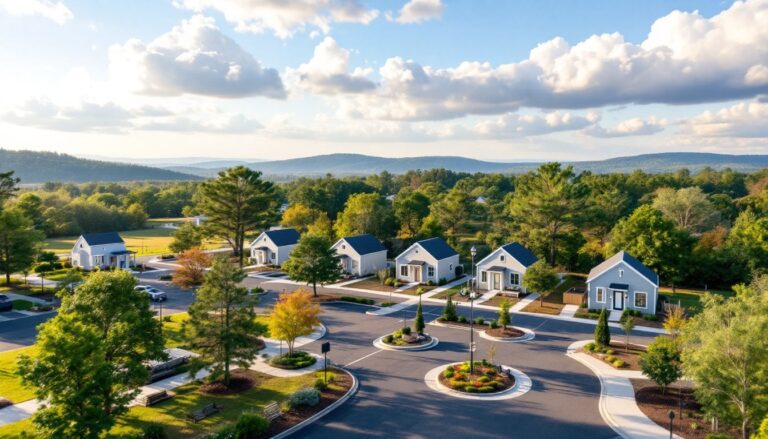
A tiny home community isn’t just a collection of small houses scattered across a neighborhood. These are intentionally planned developments where design, shared amenities, and community engagement form the backbone.
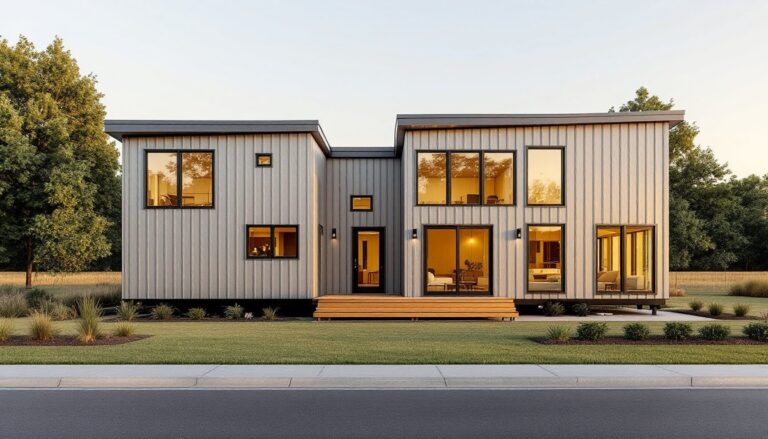
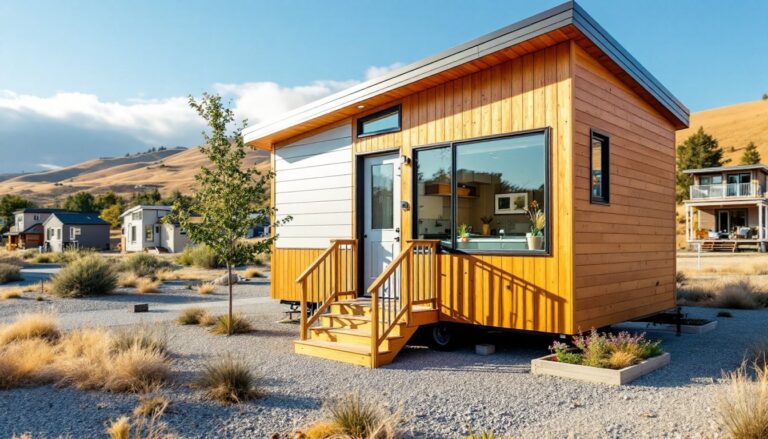
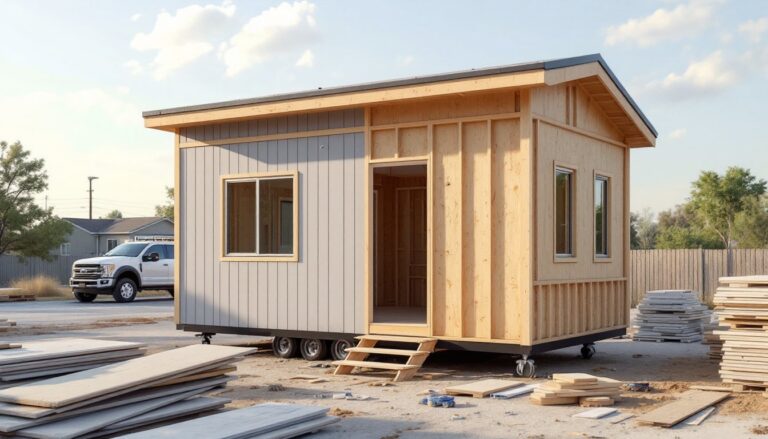
Tiny homes themselves typically range from 400 to 1,000 square feet, roughly one-third the size of a median U.S. home. Most feature efficient layouts with multi-purpose spaces, lofted sleeping areas, and open floor plans that maximize functionality. You’ll find everything from traditional stick-built homes to modular units and prefabricated structures, depending on the community.
What separates a true tiny home community from just a small-lot subdivision is the shared vision. These developments often include common gardens, tool libraries, community centers, or shared workspace. Residents typically sign covenants emphasizing sustainability, walkability, and neighborly interaction. Some Maryland communities adopt specific building standards, like minimum insulation values or rainwater harvesting systems, that go beyond code requirements.
Organization varies too. Some communities function like traditional homeowner associations (HOAs) with monthly dues. Others operate as co-housing developments where residents have stronger input into governance and shared services. A handful are deed-restricted communities focused on affordability for lower-income households. Understanding the structure of any community you’re considering matters for long-term satisfaction and resale potential.
Why Tiny Home Communities Are Growing in Popularity
Affordability drives much of the growth. A typical tiny home in Maryland costs 30 to 40 percent less than a comparable single-family home, and utility bills run 40 to 50 percent lower thanks to smaller square footage and efficient construction. For buyers priced out of traditional markets, this difference is transformative.
Environmental concerns matter too. Smaller homes consume fewer resources to build and heat. Many tiny home communities prioritize sustainable materials, solar power, and water conservation, factors increasingly important to younger buyers and those concerned about climate impact. Communities that emphasize walkability reduce car dependency, lowering household transportation costs and carbon footprints.
Social connection plays an underestimated role. Traditional suburbs often isolate residents behind garage doors and privacy fences. Tiny home communities, by design, foster neighborly connection through shared spaces and intentional design that encourages interaction. For empty-nesters, single-parent households, or anyone seeking a built-in social network, this appeal is genuine.
Practically speaking, tiny homes also solve the “right-sizing” problem. Many empty-nesters want to leave the family home but aren’t interested in urban apartments. Young families sometimes prioritize financial security over the “dream house.” Parents downsizing to help adult children with childcare appreciate proximity. Tiny home communities serve these distinct needs within a single housing model.
Maryland’s specific draw includes strong state initiatives supporting housing innovation and proximity to job centers in Baltimore and the DC metro area, making compact living particularly relevant for commuters seeking affordability.
Top Tiny Home Communities in Maryland
Maryland has several established tiny home and co-housing communities, though availability changes seasonally. Here are standouts worth investigating:
Baltimore-Area Communities: The Baltimore metro region hosts several active projects. Neighborhoods like Takoma Park and parts of South Baltimore have seen tiny home pilots integrated into existing neighborhoods. These tend to blend with surrounding architecture and offer walkability to transit.
Columbia Merriweather: While not exclusively tiny homes, this planned community near Columbia includes cottage-style homes in the 800 to 1,200 square foot range with significant shared amenities, common green space, and intentional walkability. Proximity to employment in the Columbia area makes it attractive for commuters.
Frederick County Developments: Frederick has emerged as a hub for alternative housing models, including several co-housing projects and micro-community developments. The region’s lower cost of living compared to Baltimore or DC metro areas appeals to buyers seeking affordability without sacrificing community.
Annapolis-Area Options: Near the Maryland capital, several developments cater to downsizers and young professionals. Water access and walkability to downtown make these particularly popular, though pricing reflects the desirability.
When researching, contact local planning departments and housing authorities directly, many communities develop in phases, and new projects launch regularly. Online registries like the Co-Housing Association and regional real estate sites often list communities before wide marketing. Real estate agents familiar with alternative housing can also point you toward emerging projects.
Financing and Costs in Maryland Tiny Home Communities
Financing a tiny home works similarly to traditional mortgages, but lenders sometimes view them skeptically due to lower resale values and smaller appraisals. Not all banks offer loans under $100,000, and some have minimum home size requirements. Start by contacting credit unions or community banks, they’re more flexible with alternative housing models than national chains.
FHA loans work for tiny homes as long as the property meets minimum square footage (typically 400 square feet for primary residences). Some co-housing developments and nonprofit-backed communities offer in-house financing or partnership with specific lenders familiar with tiny home lending.
Total costs vary widely by location and finish level. In rural Maryland, a new tiny home might cost $150,000 to $250,000 before land. Near Baltimore or DC, expect $250,000 to $400,000. Used tiny homes or modular units can run 20 to 30 percent less.
Don’t overlook community fees. Monthly HOA or co-op dues typically range from $100 to $400, covering common area maintenance, utilities for shared spaces, and governance. Some communities charge one-time set-up fees.
Insurance and property taxes follow standard approaches, though insurers sometimes require specialized policies for non-traditional construction. Ask prospective communities for insurance contacts who’ve worked with residents.
Utility savings offset much of the premium tiny homes sometimes carry over larger homes. Electric and heating costs typically run $40 to $80 per month for efficient units, versus $100 to $150 for conventional homes of double the size. Over 30 years, this compounds significantly.
Lifestyle Benefits and Design Considerations
Living in a tiny home requires intentional choices about possessions and space use. Successful residents embrace minimalism not as deprivation but as freedom from maintenance and storage burdens. Real Simple’s decluttering guides offer practical strategies for downsizing before a move, starting early matters more than rushing at moving day.
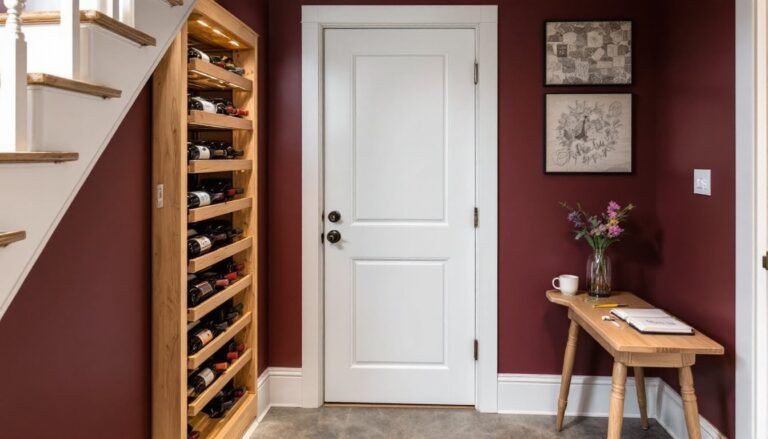
Design details make tiny living feasible. Look for homes featuring full-size kitchens and bathrooms (no compromise there), integrated storage, efficient HVAC systems, and thoughtful natural lighting. Lofted sleeping areas work well for individuals or couples but don’t suit families with multiple children needing separate bedrooms.
Shared spaces expand usable living area. A community workshop means you’re not storing a full tool collection in a closet. Common gardens let you grow vegetables without dedicated yard space. Guest suites available to residents solve the “where do visiting relatives sleep?” problem.
Work-from-home residents should verify internet infrastructure before committing. Not all rural tiny home communities have adequate broadband. Ask about cable runs, fiber availability, and backup options.
Outdoor space varies by development. Some provide small patios or yards: others emphasize public commons over private outdoor areas. Clarify what appeals to you, you can’t expand a 200-square-foot patio, but you can gain access to acres of community land.
Home design inspiration on Curbed showcases how designers maximize compact living through clever layouts, built-in storage, and multipurpose furniture. Learning from examples helps you envision daily life in smaller spaces before committing.
Is a Tiny Home Community Right for You
Tiny home living suits certain households far better than others. Ask yourself honestly: Do you work from home or commute far? Can your hobbies and lifestyle fit smaller square footage? Are you ready to embrace shared decision-making about community governance?
Tiny homes work exceptionally well for empty-nesters no longer needing five bedrooms, young couples prioritizing financial stability over space, and single-income households where every dollar saved matters. They struggle for families with multiple school-age children needing separate bedrooms, collectors with significant storage needs, or anyone whose career or lifestyle requires significant home office square footage.
Community culture matters as much as housing itself. Visit prospective communities during different times of day, weekday mornings, weekend afternoons, evening hours. Talk to current residents without the developer present. Do people actually use common spaces, or do they feel abandoned? Is the community diverse in age, background, and tenure? Does the governance structure appeal to you, are decisions made collectively, or do a few voices dominate?
Review community policies carefully. Some restrict guests: others limit vehicle ownership. Pet rules, smoking policies, and landscaping expectations vary. Covenants sometimes prohibit short-term rentals, which matters if you might need income flexibility later.
Finally, assess your own flexibility. Tiny home living requires accepting tradeoffs, less square footage for affordability, shared amenities instead of private yards, and community involvement instead of complete autonomy. People who thrive in these communities embrace these tradeoffs eagerly. Those who resent them suffer buyer’s remorse.
Apartment Therapy’s small space tips help you realistically evaluate whether compact living suits your personality and needs before making a financial commitment.
Conclusion
Tiny home communities in Maryland represent more than budget housing, they’re a deliberate choice toward simpler, more connected living. Whether driven by financial necessity, environmental values, or genuine preference for community, they offer a practical alternative to traditional homeownership paths. The key is honest self-assessment: Does compact living fit your lifestyle? Does the specific community’s culture match your values? And are you ready to embrace both the financial benefits and the daily tradeoffs? If yes, Maryland’s growing tiny home landscape offers real opportunities.