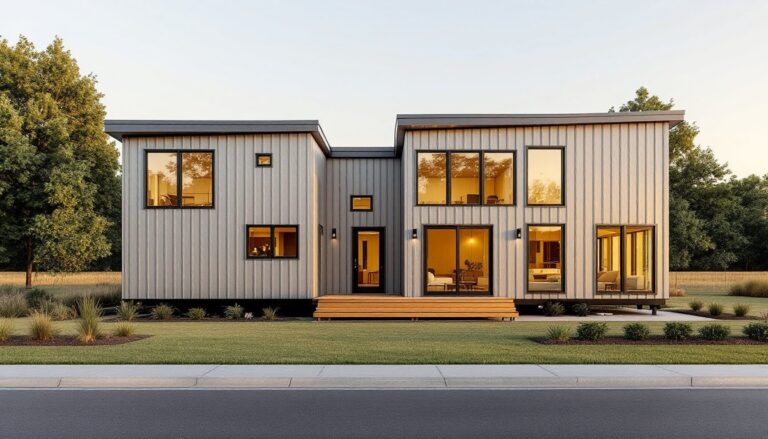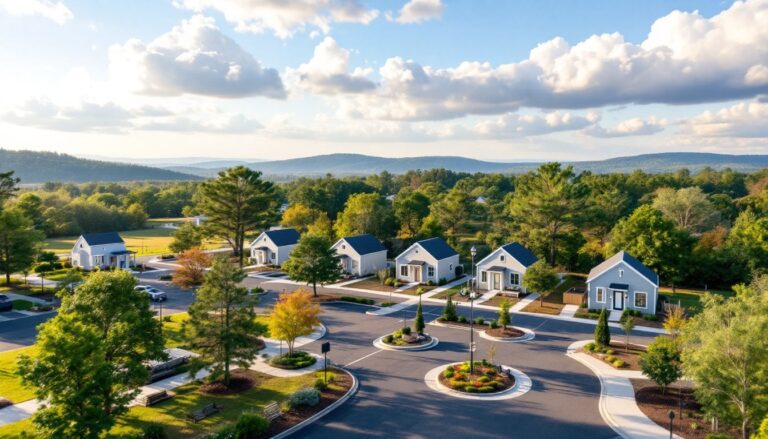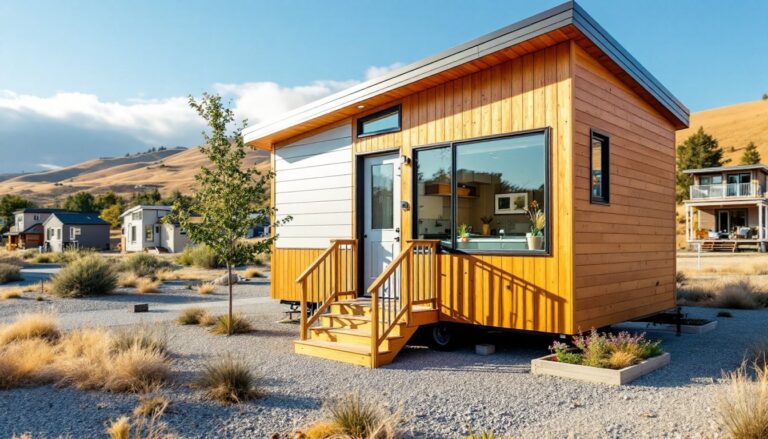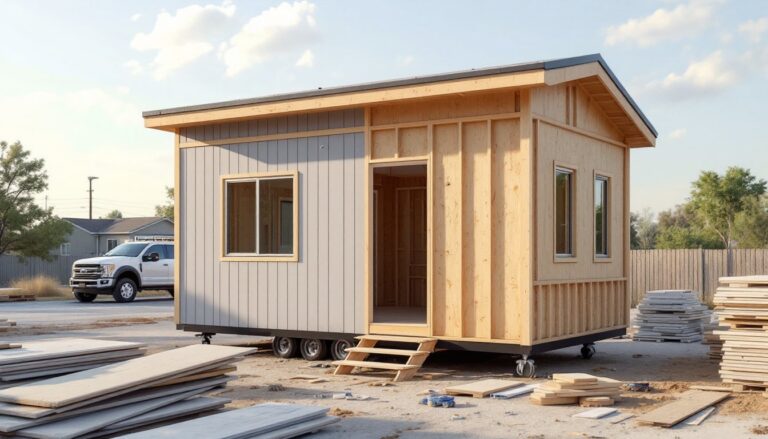
Adding a porch to a tiny home transforms it from a compact dwelling into an outdoor-connected retreat. A well-designed porch extends living space, improves curb appeal, and creates a welcoming transition between indoors and out, all without eating up the interior square footage that tiny homeowners guard closely. Whether planning a brand-new build or retrofitting an existing structure, understanding porch design options, building constraints, and material choices helps homeowners maximize both functionality and aesthetics. This guide walks through practical design strategies and building considerations for tiny homes with porches, from foundational planning to material selection.
Table of Contents
ToggleKey Takeaways
- A tiny home with porch adds approximately 60 square feet of functional outdoor living space without consuming precious interior square footage.
- Covered front porches and deck-style porches are the two dominant porch styles, each offering distinct benefits based on climate and architectural preferences.
- Strategic porch design should focus on right-sizing the footprint (4-10 feet deep), orienting for sun and wind exposure, and incorporating multi-functional elements like built-in storage.
- Pressure-treated lumber is budget-friendly at $3–6 per linear foot, while composite decking costs $6–12 per foot but requires minimal maintenance over 20+ years.
- A complete tiny home porch project typically costs $800 to $8,000+ depending on whether you choose a simple deck or add roofing and premium materials.
- Covered porches improve energy efficiency by reducing direct sun exposure and wind infiltration, lowering heating and cooling loads in compact spaces where every degree matters.
Why Add a Porch to Your Tiny Home
A porch serves multiple purposes in a tiny home, making it one of the highest-value additions a DIY builder or renovator can tackle. First, it creates usable outdoor living space without competing for interior square footage. A 6-by-10-foot porch adds roughly 60 square feet of functional area at a fraction of the cost of interior expansion.
Second, porches improve energy efficiency by acting as a buffer zone. A covered porch reduces direct sun exposure and wind infiltration on entry doors and windows, which can lower heating and cooling loads. This thermal advantage matters more in compact spaces where every degree affects comfort throughout the home.
Third, porches enhance weather protection. A covered structure shields visitors from rain, snow, or harsh sun while arriving or departing. This also protects entryways, making them last longer by reducing UV degradation and moisture damage to doors and sills.
Finally, porches add genuine resale value. Homes with outdoor-connected features attract buyers seeking walkable, livable spaces. For tiny home communities or compact neighborhoods, a well-built porch signals thoughtful design rather than cramped living.
Popular Porch Styles for Tiny Homes
Two primary styles dominate tiny home porch design: covered front porches and deck-style porches. Each offers distinct benefits depending on climate, lot orientation, and personal preference.
Covered Front Porches
A covered front porch, also called a stoop porch, features a roof supported by posts or brackets, typically 4 to 8 feet deep. This style echoes classic farmhouse and cottage aesthetics while providing maximum weather protection. The roof is the critical structural element: it must slope slightly (typically 1/8 inch per foot minimum) to shed water and prevent pooling.
Construction involves a simple deck platform (often 2 to 3 feet high) with railing, then vertical 4-by-4 posts spaced roughly 6 feet apart. The roof framing uses 2-by-6 or 2-by-8 joists depending on span and snow load in your region. Building codes require 2-by-4 or larger rails and balusters spaced no more than 4 inches apart to prevent child entrapment.
Covered porches work best for north-facing entries or climates with heavy precipitation. They also suit older architectural styles and tighter lots where a deck would feel disconnected. The main trade-off: the roof adds cost and complexity, and roof pitch limits headroom. Verify local building codes early, most jurisdictions require permits for covered structures 12 square feet or larger.
Deck-Style Porches
Deck-style porches skip the roof and consist of a raised platform (roughly 2 to 4 feet high) with railings and optional overhead shade (pergola, shade cloth, or extended roofline). This style offers flexibility and cleaner sight lines, especially when sited to catch morning sun or face a garden.
Deck construction is straightforward: posts set on concrete footings (minimum 3 to 4 feet deep below grade to avoid frost heave), 2-by-8 or 2-by-10 rim joists, and 2-by-6 deck boards laid perpendicular. Railings use the same 4-inch balusters and 2-by-4 rails as covered porches. A pergola overhead provides dappled shade without the structural weight and cost of a full roof.
Deck porches suit warmer climates, casual or modern aesthetics, and south or east-facing exposures. They’re often easier to permit as “deck” rather than “covered structure,” though codes vary. The trade-off: no weather protection unless you add shade elements, and sun exposure can make the space uncomfortable in summer without trees or tall shade structures. Resources like Apartment Therapy highlight how small-space design, including outdoor zones, benefits from intentional exposure and sightlines.
Space-Saving Design Strategies
Tiny home porches must earn their footprint. Strategic design keeps them functional without overwhelming the lot or creating dead zones.
Right-size the footprint. A porch only 4 feet deep is snug but works for entry cover and a pair of chairs. 6 to 8 feet allows a small seating area or side table. Beyond 10 feet, you’re eating into yard space that might serve better as garden or play area. Sketch your lot and step off distances before breaking ground.
Orient for sun and wind. A south or west-facing porch collects passive heat in winter but bakes in summer without shade. North-facing porches stay cool but receive little sun. East-facing porches catch morning light and heat. West-facing porches intensify afternoon heat. Consider adding deciduous trees or a pergola on the south and west sides: they’ll shade in summer and let sunlight through in winter. Examples of thoughtful tiny home design, including oriented porches, appear on Southern Living’s collection of tiny houses with porches.
Use multi-functional elements. Benches with built-in storage, planters that double as handrails, or a porch swing that folds up all add function without clutter. Keep finishes minimal and material choices durable, tiny porches show wear quickly if overloaded.
Plan egress carefully. If the porch becomes your primary entry, ensure it complies with egress rules (typically at least 32 inches clear width for doors and openings). A cramped porch that blocks exits defeats the purpose.
Consider shade layers. A combination of roof overhang (typically 18 to 24 inches), optional pergola, and tall shrubs or trees creates comfortable, flexible shade without a heavy permanent roof structure.
Materials and Budget Considerations
Porch materials directly impact durability, maintenance, and cost. Tiny homes amplify the effect of any visible element, so material choices matter.
Decking material choices:
- Pressure-treated lumber (nominal 2-by-6 or 2-by-8): Affordable, readily available. Actual dimensions are 1.5 by 5.5 inches or 1.5 by 7.25 inches. Requires staining every 1–2 years: splinters and grays over time. Budget $3–6 per linear foot.
- Composite decking (brands include Trex, Azek): Blend of wood fiber and plastic. No staining needed. Higher upfront cost ($6–12 per linear foot) but lower maintenance. Lasts 20+ years.
- Tropical hardwoods (ipe, cumaru): Naturally rot-resistant, no treatment needed. Expensive ($8–15 per linear foot), difficult to cut without carbide blade, and requires careful sourcing (sustainability matters).
Roofing options (for covered porches):
- Asphalt shingles: Match the house, budget-friendly ($100–200 per square). May need replacement in 15–20 years.
- Metal roofing: Durable, reflects heat, longer lifespan ($300–500 per square), but noisier in rain and higher upfront cost.
- Polycarbonate or clear plastic panels: Lightweight, affordable, transmit light. Less durable (5–10 years) and yellows over time.
Post and railing materials:
- Treated lumber posts are standard, economical ($2–4 each for a 4-by-4). Pair with composite or metal balusters for durability if you want a modern look.
- Metal posts and railings cost more upfront ($5–10 per foot) but require minimal maintenance and suit contemporary designs. Examples of modern-minimalist tiny homes often feature metal details, as documented in galleries like Country Living’s 20 tiny houses with porches.
Total cost estimate (rough figures for a 6-by-10-foot porch):
- Deck only: $800–2,000 (labor and materials).
- Deck with simple roof: $2,500–5,000.
- Premium composite and metal roof: $5,000–8,000+.
Costs vary significantly by region, lumber availability, and labor rates. Get local quotes and factor in permits (typically $100–300 depending on jurisdiction).
Conclusion
A porch transforms a tiny home from an inward-focused structure into a connected outdoor living space. Whether choosing a classic covered design or a low-maintenance deck, thoughtful planning, sizing, orientation, materials, and building codes, ensures the porch adds value and livability without becoming a maintenance burden or visual clutter. Start with a clear sketch, verify local requirements, and invest in durable materials. The payoff is a welcoming, weather-protected entry that makes a small home feel considerably larger.