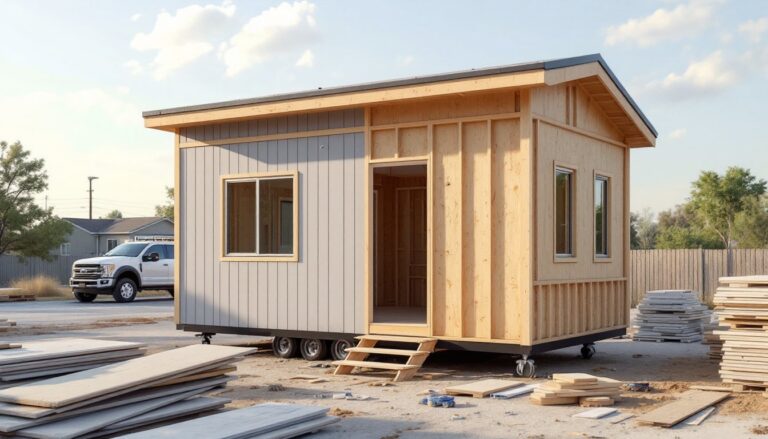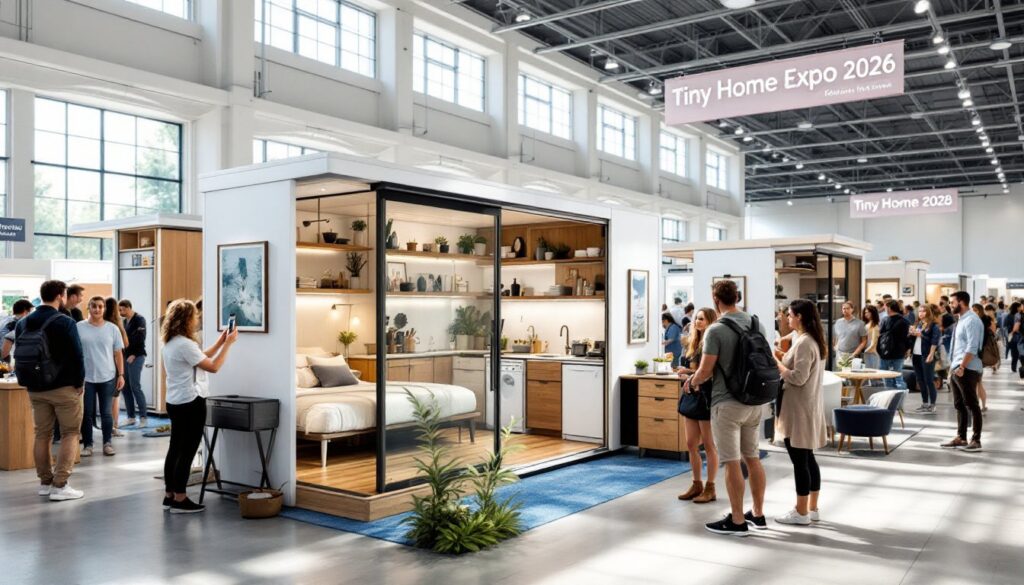

Tiny home shows have become the premier gathering place for anyone curious about compact living, whether you’re scaling down, maximizing a small space, or just hungry for design inspiration. In 2026, these expos draw thousands of homeowners, builders, and DIY enthusiasts who want to see firsthand what’s possible in 400 square feet or less. Beyond the Instagram-worthy interiors, these events showcase real innovations in space-saving construction, sustainable materials, and clever storage that you can apply to your own project. If you’re considering a tiny home renovation, building from scratch, or simply want to stay ahead of compact living trends, attending or following a tiny home show reveals practical solutions that designers and builders are actually using right now.
Table of Contents
ToggleKey Takeaways
- Tiny home shows provide hands-on opportunities to explore space-saving innovations, sustainable materials, and practical storage solutions directly applicable to your own compact living project.
- Multi-functional furniture like Murphy beds with integrated shelving and custom floor-to-ceiling cabinetry are becoming durable and high-quality, making them practical investments for maximizing vertical space in tiny homes.
- Eco-friendly building materials—including low-VOC paints, bamboo flooring ($3–$8 per sq ft), and recycled denim insulation—are now mainstream at tiny home shows and offer long-term value for small-space renovations.
- Before starting a tiny home renovation, verify local permits and building codes specific to your jurisdiction, as tiny home regulations vary widely and impact financing, insurance, and structural work approval.
- Testing systems in-person (drawers, Murphy beds, plumbing) and inspecting finishes for proper sealing at a tiny home show reveals real-world durability factors that matter in high-traffic compact spaces.
What Are Tiny Home Shows and Why They Matter Now
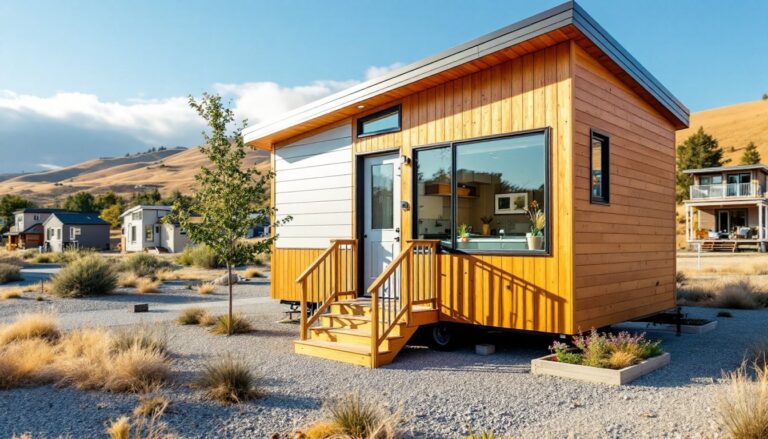
Tiny home shows are expo events that bring together tiny house builders, manufacturers, interior designers, and enthusiasts to showcase completed models, display innovative materials, and host workshops on compact living strategies. These gatherings have grown significantly over the last five years as more people explore downsizing, sustainable living, and housing affordability.
Why the sudden momentum? Traditional housing costs have climbed steadily, and remote work has freed people from commuting constraints, making smaller, lower-maintenance properties attractive. Tiny home shows offer something real estate listings and online articles can’t: you can walk inside an actual 300-square-foot home, open cabinets, test out a Murphy bed, and see how storage and plumbing are actually installed. That hands-on experience is invaluable for anyone planning a DIY renovation or building project.
You’ll encounter everything from luxury “tiny home” RV builds ($80,000–$200,000+) to modest foundation-set structures ($40,000–$100,000 base) to full-scale renovations turning existing small homes into models of efficiency. Most shows also feature vendor booths with manufacturers of space-saving appliances, fold-down tables, sliding shelving systems, and eco-friendly building materials. Workshops and panel discussions let you ask builders directly about code compliance, financing, and common pitfalls, information that saves you real money and headaches when you start your own project.
Design Innovations You’ll See at This Year’s Tiny Home Expos
The 2026 tiny home show circuit is heavy on smart design and sustainable materials. If you walk through a few of these expos, you’ll spot recurring themes that reflect where the industry is heading and what DIYers can realistically adopt for their own spaces.
One dominant trend is the overlap between tiny home design and what interior designers call “urban living.” Resources like Apartment Therapy frequently feature compact living projects and small-space hacks, and you’ll see similar thinking in show models: vertical shelving, overhead storage racks, pocket doors to replace swing-out hinges, and modular layouts that can shift with your needs. Builders are also leaning harder into “slow living”, using natural materials, avoiding disposable finishes, and designing spaces that don’t require constant upgrades.
Multi-Functional Furniture and Space-Saving Solutions
Convertible furniture remains the backbone of tiny home design. Expect to see Murphy beds with integrated shelving, dining tables that fold into wall-mounted desks, and ottomans with hidden storage engineered to feel seamless. What’s different in 2026 is the quality and durability: rather than flimsy collapse-prone designs, manufacturers are using better joinery, heavier-duty hardware, and finishes that withstand repeated use.
You’ll also see purpose-built cabinetry that maximizes vertical space. Many builders are ditching standard kitchen cabinets and instead installing floor-to-ceiling custom or semi-custom units with adjustable shelving, pull-down systems, and corner carousels (lazy-Susan-style mechanisms for corner cabinets). A typical tiny home kitchen might have just 60–80 linear feet of wall space, so every inch counts. Drawers are gaining ground over open shelves because they reduce visual clutter and contain spills, important in small kitchens where a mess feels magnified.
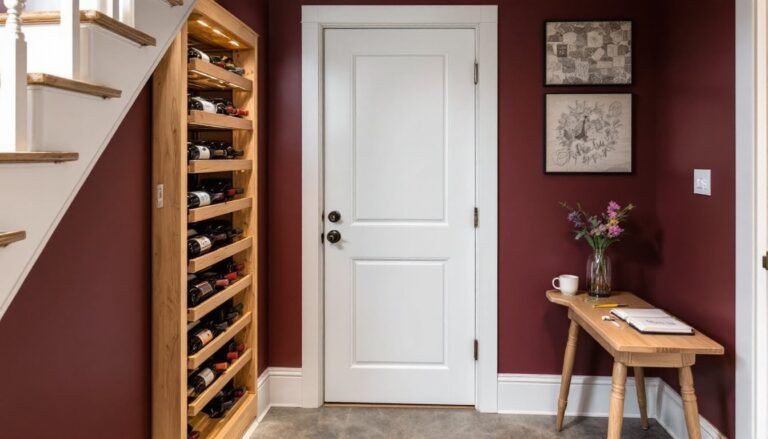
Storage under stairs, overhead rails for hanging pots and pans, pull-out pantry systems, and slimline appliances also feature prominently. If you’re planning a DIY kitchen refresh in a small space, look at these layouts as proof-of-concept: a 30-inch-wide refrigerator, a 24-inch dishwasher, and slim 15-inch-deep shelving units can deliver full functionality without wasting precious floor space.
Sustainable and Eco-Friendly Building Materials
Sustainability has moved from niche to mainstream at these shows. You’ll see extensive use of reclaimed wood, bamboo flooring, recycled-content insulation, and low-VOC (volatile organic compound) paints. Why? Tiny homes, by definition, use fewer raw materials, so builders can justify investing in higher-quality, less toxic finishes. If you’re doing a finish renovation, this is worth considering: a low-VOC paint costs maybe 20–30% more per gallon but off-gases far less, which matters in a small, tightly sealed space.
Reclaimed hardwood flooring and barn wood are popular because they’re visually distinctive and durable. But, reclaimed materials are pricier ($8–$15+ per square foot installed) and require careful selection, you need to check for hidden nails, structural integrity, and moisture. Bamboo is a more budget-friendly eco option ($3–$8 per square foot installed) and offers surprisingly solid durability if you choose a 3-ply or higher-grade product.
Insulation technology is also advancing. Builders are moving toward spray foam and recycled denim insulation to maximize thermal performance in tight cavities. Recycled denim (often made from post-consumer jeans) costs slightly more than fiberglass batts but resists settling and off-gassing. For a DIY tiny home renovation, consider where insulation matters most: exterior walls, attic space, and rim joists. Upgrading these alone can significantly reduce heating and cooling costs in a compact footprint.
Industry publications like Curbed regularly feature tiny home design trends and material spotlights, so following these outlets between shows keeps you current on what’s emerging.
Practical Takeaways for DIY Enthusiasts and Homeowners
If you’re attending a tiny home show, come with a notebook and specific questions. Here’s what to focus on:
Check out the mechanical details. How are utilities (plumbing, HVAC, electrical) routed in a space that tiny? Many builders use PEX tubing instead of copper for plumbing, it’s flexible, cheaper, and easier to install in tight quarters. HVAC often relies on mini-split systems or careful ductwork planning. Walk through homes and ask where the furnace, water heater, and electrical panel live: most tiny homes use vertical or under-floor placement to save living space.
Test the systems. Open drawers, try the Murphy bed, flush the toilet, and run water in the sink. Real-world durability matters more in tiny homes because you’ll use every inch constantly. A flimsy drawer slide will fail faster in a high-traffic pantry. Quality counts.
Inspect finishes and sealing. Tiny homes can feel cramped if finishes are shoddy or if interior air quality is poor (off-gassing, mold, moisture). Look at caulk lines, paint quality, and whether the builder sealed seams and transitions properly. This is especially important around plumbing penetrations and window frames, where leaks cause outsized problems in small spaces.
Take photos and measurements. If you see a storage solution or layout you like, photograph it and jot down approximate dimensions. Many builders are happy to discuss their approach, they’ve already solved the problems you’ll encounter.
Ask about permits and codes. Tiny home regulations vary wildly by jurisdiction. Some places have specific codes for tiny homes: others treat them as conventional houses (which can complicate financing and insurance). Chat with local builders or check with your county building department before committing to a project. If you’re doing a DIY renovation of an existing small home, permits apply to structural work, electrical upgrades, and HVAC changes, don’t skip them even if the temptation is there.
Resources like HGTV also showcase renovations and design concepts you can use as inspiration, though remember that TV-ready projects often have larger budgets and professional crews. Your DIY project can be equally smart and functional at a smaller scale.
Material and tool prep is non-negotiable in small spaces. Space-saving doesn’t mean cutting corners on prep work. Sand surfaces properly, use primer under paint, and acclimate lumber before cutting. A mistake in a tiny home renovation is harder to hide and wastes more of your limited square footage.
Conclusion
Tiny home shows offer a concentrated look at real-world design and construction solutions for compact living. Whether you attend in person or follow coverage online, you’ll see proven strategies in multi-functional layouts, durable materials, and smart storage that translate directly to your own space. The takeaway isn’t that you need to downsize to 300 square feet, it’s that the efficiency principles tiny home builders use will make any small renovation smarter, more functional, and more livable. Use shows as a learning tool, ask specific questions, and bring home ideas you can actually build.