
Owning a home can feel like a ticket to the adulting Olympics. You’ve got your own space, a place to hang that questionable art piece, and a garden that might be a jungle. But before diving headfirst into the world of homeownership, it’s essential to weigh the pros and cons.
On one hand, there’s the joy of building equity and the freedom to paint your walls any color that screams “you.” On the flip side, there are mortgage payments that can feel like a ball and chain. From unexpected repairs to property taxes, the dream of homeownership can sometimes feel more like a sitcom than a fairy tale. So, is it worth the investment? Let’s explore the highs and lows of owning a home and help you decide if it’s time to pick up the keys or keep renting that cozy apartment.
Table of Contents
ToggleOverview of Homeownership
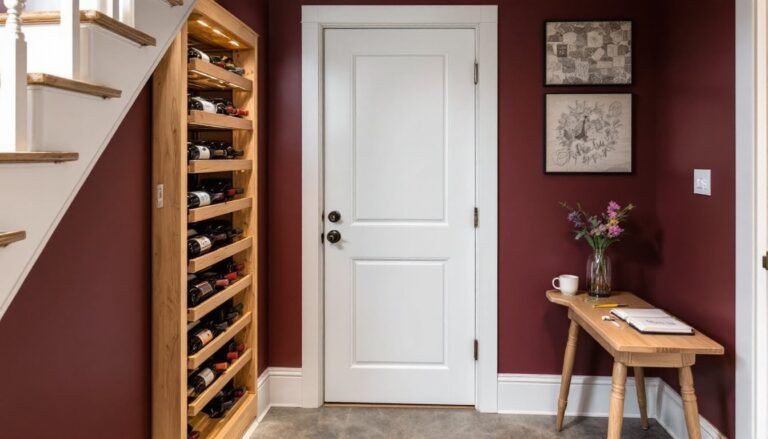
Homeownership represents a pivotal stage in life’s journey. Owners enjoy numerous benefits, such as building equity over time and gaining stability in housing costs. Personalization of space offers significant advantages since homeowners can renovate or decorate as desired. Many find comfort in having a dedicated space that reflects their unique style.
Expenses also accompany homeownership. Mortgage payments often represent a substantial monthly obligation. Homeowners deal with additional costs, such as maintenance, property taxes, and insurance. Unforeseen repairs can strain budgets, emphasizing the importance of financial preparedness.
An investment aspect exists as well, with homeowners building equity that often appreciates over time. This accumulation can contribute to long-term wealth. The potential for profit upon selling a home further incentivizes ownership, appealing to those seeking financial growth.
Flexibility can sometimes feel limited for homeowners since they are responsible for all aspects of their property. Renting typically allows for easier relocations and less financial commitment. Renting may permit more freedom to explore different neighborhoods without the long-term obligation of a mortgage.
Evaluating the decision to own a home involves weighing these pros and cons carefully. Homeownership can provide stability and potential financial gains, while also introducing personal and financial responsibilities. Each individual’s situation influences whether homeownership stands as a favorable choice or if renting remains the more advantageous option.
Pros of Homeownership
Homeownership offers multiple advantages that can significantly impact an individual’s financial and personal life.
Equity Building
Equity grows as homeowners pay down their mortgage over time. Home values often appreciate, further increasing total equity. Each mortgage payment contributes to ownership, unlike rent payments, which build no asset. Homeowners can leverage equity for loans or lines of credit, providing financial flexibility in emergencies or opportunities. Investing in home improvements can also boost property values, creating a favorable return on investment.
Tax Benefits
Tax deductions frequently involve mortgage interest and property taxes. Homeowners can often deduct certain expenses, reducing their taxable income. The Tax Cuts and Jobs Act of 2017 allows deductions for state and local taxes, still providing potential savings. Homeownership may also enable exclusions on capital gains taxes when selling, making it a financially advantageous decision in the long run. These benefits enhance overall savings, encouraging long-term financial planning.
Stability and Security
Stability comes from predictable monthly payments instead of fluctuating rent costs. Homeownership provides control over living conditions and neighborhood choices. Additionally, it offers a sense of community and belonging, with opportunities for personal investment in local developments. Security often improves as homeowners are less vulnerable to evictions or lease changes. These factors contribute to a stable lifestyle, fostering both personal and financial well-being.
Cons of Homeownership
Homeownership comes with several drawbacks that potential buyers should consider before making a purchase.
Maintenance Costs
Maintenance costs can quickly add up for homeowners. Regular upkeep, such as roof repairs, appliance replacements, and lawn care, demands attention and can strain budgets. Homeowners might face unexpected expenses as well. These incidents include emergency plumbing or electrical repairs that arise without warning. Not budgeting for these costs can lead to financial stress. Understanding the long-term commitment of maintenance prevents oversights in financial planning.
Market Fluctuations
Market fluctuations impact home values significantly. Economic downturns can lead to price drops, making properties worth less than their purchase price. Selling during such times may yield financial losses. Homeownership becomes less advantageous when values fall, forcing owners to remain in homes longer than desired. Compounded with changing interest rates, the unpredictability of the market creates uncertainty. Homeowners should carefully assess their local market conditions before investing.
Less Flexibility
Less flexibility often leads to challenges for homeowners. Job relocations or changes in personal circumstances may necessitate moving. Selling a home can often take considerable time and effort, delaying transitions. Renting provides the benefit of mobility that homeownership lacks. Moreover, the commitment to a mortgage restricts the ability to adapt to life changes quickly. This reduced flexibility can impact lifestyle choices significantly.
Homeownership presents a unique blend of opportunities and challenges. While it offers the chance to build equity and enjoy stability it also comes with financial responsibilities and potential pitfalls. Each individual’s circumstances play a crucial role in determining whether the benefits outweigh the drawbacks. It’s essential for potential homeowners to assess their personal and financial situations carefully. By understanding both sides of the equation they can make informed decisions that align with their long-term goals and lifestyle preferences. Ultimately the choice between owning and renting hinges on personal priorities and financial readiness.