
Buying a starter home is like diving into the dating pool of real estate. You want something that feels right without breaking the bank or your spirit. With countless options and fluctuating markets, it can feel overwhelming. But fear not! Finding that perfect cozy nest is possible, and it doesn’t require a fortune or a crystal ball.
Understanding Starter Homes
Starter homes serve as an entry point for individuals or families entering the real estate market. These properties offer affordability and practical living spaces, appealing to first-time buyers.
Definition of Starter Homes
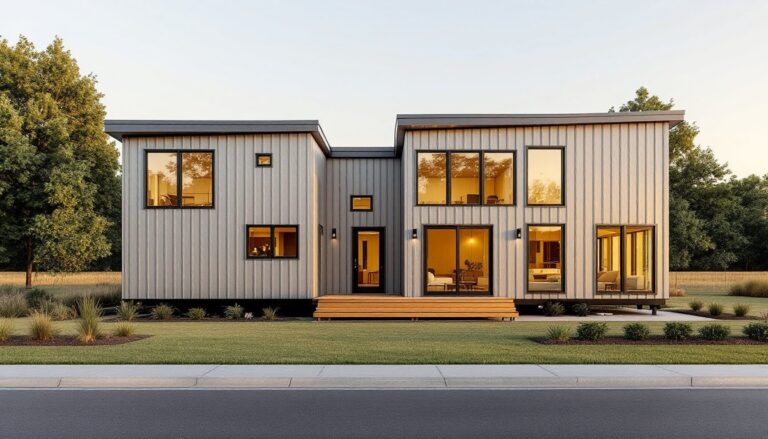
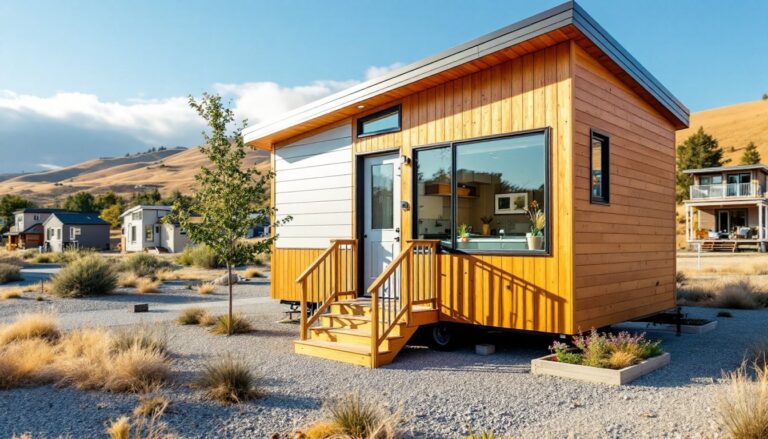
A starter home commonly refers to a modest, affordable property suited for first-time buyers. These homes typically feature 1-3 bedrooms and a compact layout. Price points for starter homes usually fall within the lower to mid-range category of the housing market. Buyers often seek these homes in suburban areas, although urban locations also provide suitable options. The design of starter homes tends to focus on essential amenities, offering comfort without excess. Such properties frequently require minimal renovations, allowing buyers to move in with ease.
Importance of Starter Homes in Real Estate
Starter homes play a crucial role in the real estate market by facilitating homeownership. These properties help bridge the gap between renting and owning, enabling more individuals to secure stable housing. In many areas, starter homes increase the overall housing inventory, promoting market diversity. Buyers can build equity through their purchase, decreasing reliance on rental markets. Starter homes also allow flexibility for families to upgrade as their needs evolve. By fostering community and investment in homeownership, starter homes contribute significantly to local economies.
Factors to Consider When Buying Starter Homes

Purchasing a starter home involves several important considerations. Buyers should focus on specific factors to ensure a successful investment.
Budget and Financing Options
Affordability ranks first when buying a starter home. Establishing a budget helps clarify financial boundaries. Potential homeowners must review their income, expenses, and potential mortgage rates, determining how much they can comfortably spend. Various financing options available include conventional loans, FHA loans, and USDA loans, each catering to different financial situations. First-time buyers can also explore down payment assistance programs, which can significantly ease the financial burden.
Location and Neighborhood Dynamics
Selecting the right location remains crucial for first-time buyers. Desirable neighborhoods often lead to better long-term value and quality of life. Surveying neighborhood amenities, schools, and public transportation options provides insight into potential lifestyle benefits. Safety and crime rates in the area also impact decisions. Buyers should consider future development plans since these can influence property values and community growth.
Size and Layout Preferences
Size and layout preferences vary among buyers but play a key role in home selection. Before house hunting, buyers must identify their space requirements, such as the number of bedrooms and bathrooms. Open floor plans cater to modern living styles, offering flexibility for entertaining or family interactions. Finding a balance between enough space for current needs and potential future growth enables smart decision-making. Compact homes with efficient layouts often require less maintenance, appealing to many first-time buyers.
Tips for First-Time Homebuyers
Navigating the real estate market can feel daunting for first-time homebuyers. Several key strategies simplify the process and enhance the chances of a successful purchase.
Researching the Market
Understanding the housing market sets the foundation for informed decisions. Buyers should analyze local property prices, recent trends, and neighborhood details. Gathering data on comparable homes aids in evaluating a fair price. Online listings, market reports, and neighborhood demographics offer valuable insights. Engaging with community forums provides first-hand experiences from current residents. Focusing on specific areas helps pinpoint neighborhoods that align with lifestyle preferences and budgetary constraints.
Working with Real Estate Agents
Partnering with a knowledgeable real estate agent streamlines the buying process. Agents provide access to listings, market analysis, and negotiation expertise. Leveraging their experience can uncover properties that might not be on public platforms. Clear communication regarding needs and preferences ensures agents understand what buyers seek. Building a trustworthy relationship opens channels for valuable insights and guidance throughout the transaction. A well-informed agent advocates for the buyer’s best interests, which simplifies navigating complex paperwork and agreements.
Inspecting the Property
Conducting thorough inspections prior to purchase protects buyers from future surprises. Hiring a qualified home inspector ensures a comprehensive evaluation of structural integrity and potential issues. Inspectors assess elements such as plumbing, electrical systems, and roofing. Buyers should attend the inspection to ask questions and understand findings firsthand. Identifying concerns can lead to negotiations regarding repairs or price adjustments. Prioritizing transparent communication with the inspector results in a clearer picture of the property’s condition.
Common Mistakes to Avoid
Buying a starter home involves several potential pitfalls that can affect the overall experience and investment. Avoiding these common mistakes can help ensure a smoother process.
Overextending Financially
One major mistake involves exceeding personal budget limits. Buyers often underestimate additional costs, such as closing fees and maintenance expenses. Establishing a budget that includes these elements aids in making informed decisions. Aiming for a home that fits comfortably within financial constraints fosters long-term financial stability. Prioritizing affordability helps prevent future financial strain.
Skipping the Home Inspection
Neglecting a home inspection poses significant risks. Inspections reveal hidden issues that might impact the property’s integrity and value. Taking the time to thoroughly inspect the home provides essential insight into potential repairs. Homebuyers with awareness gain the upper hand in negotiations and can make confident decisions. Investing in a comprehensive inspection proves worthwhile in the long run.
Ignoring Future Needs
Failing to consider future needs can lead to regret. Homebuyers often focus solely on current lifestyle without forecasting changes. Evaluating family growth or job relocation can influence property choices. Selecting a home adaptable to changing circumstances ensures lasting satisfaction. Anticipating future requirements creates flexibility for potential upgrades or changes in living arrangements.
Buying a starter home is a significant step towards homeownership and financial stability. With the right approach and mindset it’s possible to find a property that meets both budget and lifestyle needs. By focusing on affordability location and essential features buyers can navigate the real estate market with confidence.
Avoiding common pitfalls like underestimating costs and skipping inspections can lead to a more successful purchase. As buyers consider their future needs they can make informed decisions that not only serve them today but also accommodate changes down the line. Embracing the journey of home buying can ultimately lead to a fulfilling and rewarding experience.