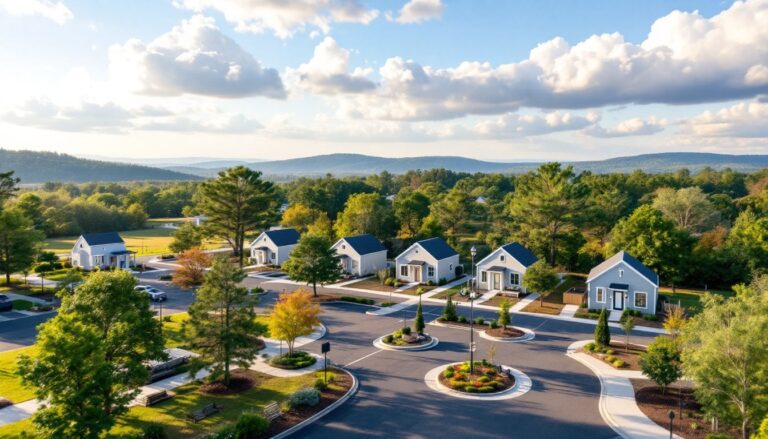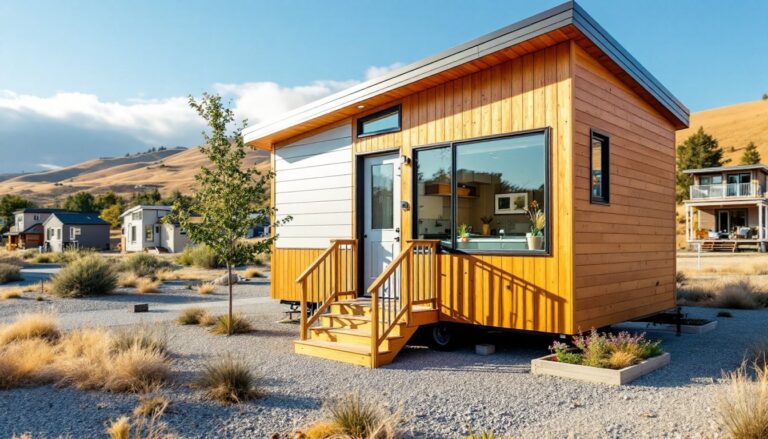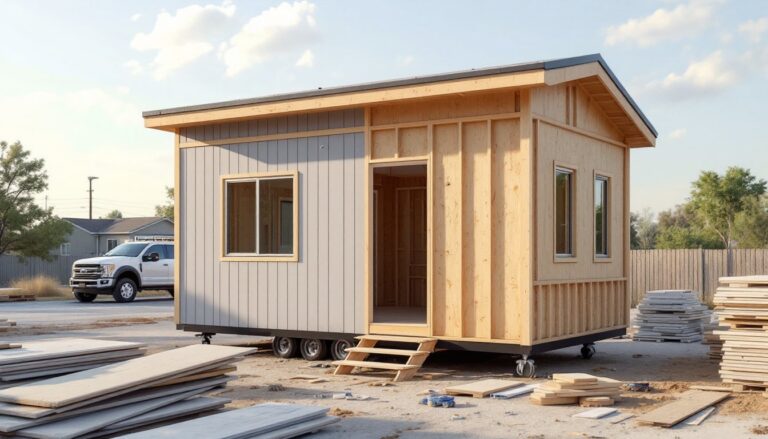
Tiny modular homes have moved beyond the niche market and into the mainstream conversation about housing affordability. What once seemed like an unconventional lifestyle choice is now a practical solution for homeowners looking to reduce costs, environmental impact, and maintenance headaches. Whether you’re a first-time buyer, downsizing, or exploring alternative living arrangements, understanding how modular construction works, and what it can and can’t deliver, is essential before you commit. This guide walks you through the fundamentals, advantages, challenges, and concrete steps to bring a tiny modular home to life.
Table of Contents
ToggleKey Takeaways
- Tiny modular homes save 10–20% on labor costs and compress construction timelines to 4–6 months, making them a practical solution for housing affordability and faster occupancy.
- These factory-built dwellings are legally equivalent to site-built homes for financing and resale, but lenders and appraisers may still discount modular homes in conservative markets, so research local financing options early.
- Energy efficiency in modular tiny homes can reduce heating and cooling costs by 20–30% compared to older constructions due to precise factory insulation and air sealing techniques.
- Zoning restrictions and transport logistics present major challenges—confirm local regulations allow modular homes and ensure your land has adequate road access before purchasing.
- A tiny modular home typically costs between $100,000 and $250,000 for 600–800 square feet, with customizable layouts, finishes, and exterior options available within pre-designed parameters.
- Foundation work, site preparation, and professional engineering assessment are non-negotiable steps that can add $8,000–$20,000 to your budget and require specialized local contractors experienced with modular construction.
What Are Tiny Modular Homes?
A tiny modular home is a factory-built dwelling, typically between 400 and 1,000 square feet, constructed in sections (modules) in a controlled factory environment and then transported to the site for assembly. Unlike site-built homes, which are built entirely on-location, modular homes are built in parts, often two or three large modules, then stacked or joined together on a permanent foundation.
The key distinction is that modular construction isn’t the same as a mobile home or RV. Modular homes are built to local and state building codes (IRC or International Residential Code), inspected at the factory and again on-site, and placed on a permanent foundation. Once assembled, they’re legally equivalent to a site-built home for financing, resale, and property tax purposes.
These homes come with full electrical, plumbing, and HVAC systems pre-installed at the factory. Walls, insulation, and roofing arrive ready to connect. The appeal is obvious: precision manufacturing in a climate-controlled factory reduces waste, errors, and weather delays that plague traditional construction.
Key Advantages of Modular Construction
Cost Savings and Affordability
Modular construction typically saves 10–20% on labor costs compared to site-built homes, though this advantage shrinks if your land is remote or requires expensive foundation work. The factory environment eliminates many of the inefficiencies of on-site building: no weather delays, fewer material waste, tighter quality control, and streamlined labor scheduling. A tiny modular home in the 600–800 square foot range often costs between $100,000 and $250,000, depending on finishes, location, and whether you’re buying a completed unit or designing from scratch.
Speed to occupancy is another financial win. Modular homes typically move from order to finished structure in 4–6 months, versus 8–12 for traditional construction. You’re not paying for extended construction financing or holding costs on a lot while a house is being built.
Energy efficiency factors in too. Factory-built modules use precise measurements and quality insulation installation that often exceeds what manual site construction achieves. Many modular tiny homes are built to high-performance standards with better air sealing, reducing heating and cooling costs by 20–30% compared to older site-built homes.
Beyond the house itself, owning a tiny modular home on your own land eliminates lot rent, a major cost burden for mobile home owners. You own both the structure and the land, building equity like any traditional homeowner.
Design Flexibility and Customization
The factory-built process doesn’t mean cookie-cutter. Most modular builders allow meaningful customization: interior layouts, ceiling heights, roofing materials, exterior cladding (wood, metal, composite), and finish packages. You can choose from a catalog of floor plans or work with a designer to adapt one to your needs.
Floor plans range from efficient studio-to-one-bedroom setups ideal for single occupants to three-bedroom layouts suitable for small families. Open-concept designs are common, one large living-kitchen-dining area maximizes the feeling of space. Loft bedrooms work well for tiny footprints, and modular builders have become skilled at multi-functional spaces.
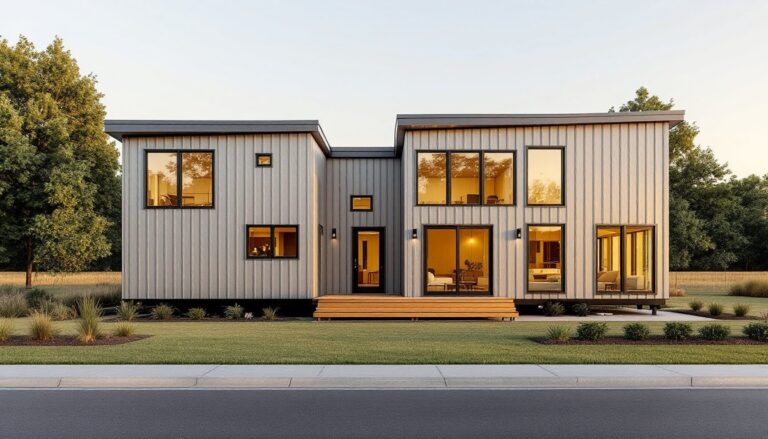
Exterior customization is equally flexible. Some owners choose modern metal siding with large windows for a sleek aesthetic: others prefer traditional wood siding or board-and-batten finishes. Decking, porches, and garage additions can be tailored to your site and lifestyle. Recent modern home design inspiration showcases how modular homes are competing aesthetically with site-built custom builds.
Indoor finishes, kitchen cabinetry, countertops, flooring, paint, and lighting, follow your budget and taste. Factory builders work with suppliers to offer tiered options at different price points, so you’re not locked into luxury finishes if you’re cost-conscious.
Challenges and Limitations to Consider
Not every scenario suits modular construction. Zoning and permitting can be obstacles: some municipalities still restrict modular homes or classify them differently than site-built homes, affecting financing eligibility and resale appeal. Research local ordinances before purchasing land. Lenders and appraisers may also discount modular homes, especially in conservative markets, even though they’re legally equivalent to site-built homes.
Transport and site access matter. Modular modules are delivered by truck and require adequate road access, turning radius, and a clear path to your lot. If your land is rural, remote, or at the end of a narrow dirt road, transportation costs spike, sometimes several thousand dollars extra. Wide modules (often 13–14 feet) need wider routes.
The foundation work often falls on you. While the modular home itself is factory-engineered, the foundation, whether a concrete slab, pier-and-beam, or full basement, must be site-specific, properly graded, and inspected. Poor foundation prep is a common source of problems. Plan to hire a local excavator and concrete contractor experienced with modular homes.
Customization comes with limits. You’re typically choosing from pre-designed layouts and standard options, not free-form design like a custom-built home. Changing specifications mid-build often incurs delays and upcharges. And if you want ultra-luxury finishes or architectural detailing, modular’s economies of scale advantage shrinks.
Resale and financing remain less predictable for modular homes in some regions. Urban and progressive markets embrace them: conservative rural areas may view them skeptically, affecting future buyback value.
Getting Started: Steps to Build Your Tiny Modular Home
Step 1: Research Local Zoning and Permits
Before falling for a floor plan, confirm your local building department allows modular homes. Call your county or city planning department and ask specifically about modular home regulations, some jurisdictions define them separately from site-built homes, which can affect financing and property classification. Verify minimum lot sizes, setback requirements, and any restrictions on tiny homes. This is the unglamorous but critical step most people skip.
Step 2: Secure Land and Have It Evaluated
You need a buildable lot with proper road access, utilities (or the ability to add septic and well if off-grid), and suitable soils for a foundation. Have a professional surveyor and engineer assess the site: Is the land level or will grading be extensive? What’s the soil bearing capacity? Are utilities nearby or far away? A pre-site visit by your modular builder or their representative is valuable, they’ll flag access or logistics issues early.
Step 3: Select a Builder and Customize Your Home
Research modular home manufacturers in your region. Tiny home design communities and forums offer honest reviews and portfolio examples. Most builders offer consultation to discuss your needs, budget, and timeline. Work through floor plan options, exterior finishes, and interior packages. Get a detailed quote and contract before ordering. Build timelines are typically 4–6 months from order to delivery.
Step 4: Arrange Financing and Insurance
Contact lenders early. Modular homes can be financed like site-built homes (mortgages, construction loans, or owner-builder loans), but some lenders hesitate. FHA-approved modular builders and homes finance more easily. Once the home is in place, standard homeowner’s insurance applies, rates are comparable to site-built homes in your area.
Step 5: Prepare the Foundation
Hire a local concrete contractor or excavator experienced with modular homes. Foundation styles vary: slab-on-grade (cost-effective but limits crawl space), pier-and-beam (common in challenging terrain), or full basement (pricey but adds storage). Foundation work typically runs $8,000–$20,000, depending on site conditions. This happens while your modules are being built.
Step 6: Receive, Assemble, and Inspect
Once your modules arrive, they’re offloaded onto the prepared foundation, this usually takes 1–2 days. Technicians connect electrical, plumbing, HVAC, and roofing systems. A final inspection by the local building department confirms everything meets code. Real estate and home design trends show modular homes increasingly meeting the same inspection standards as conventional builds.
Step 7: Final Walk-Through and Occupancy
Before you move in, do a thorough walk-through with the builder’s representative. Check all systems, finishes, and appliances. Document any punch-list items (minor fixes or touch-ups) and verify they’re completed. Once you’re satisfied and the occupancy permit is issued, the home is yours.
Conclusion
Tiny modular homes deliver real advantages: faster timelines, cost savings, energy efficiency, and design flexibility within reason. But they’re not a shortcut past assignments, zoning rules, site logistics, and foundation prep demand just as much attention as the glossy marketing. If you’re willing to research local regulations, vet builders thoroughly, and plan for site-specific costs, a modular tiny home can be an affordable, well-built stepping stone to homeownership or a practical downsizing solution. Start with your local building department, not Pinterest.