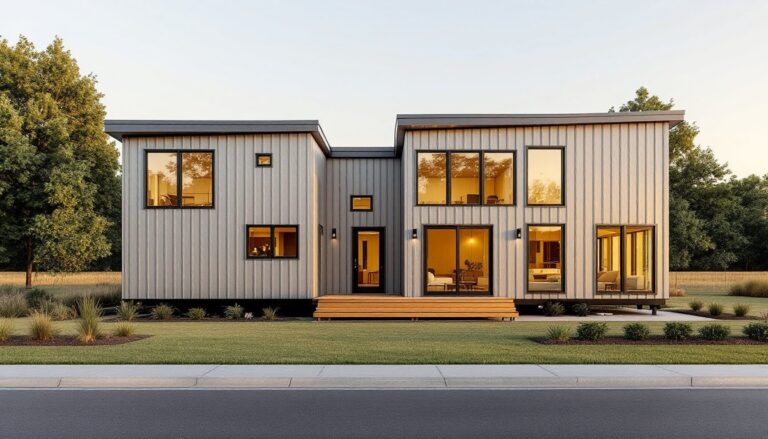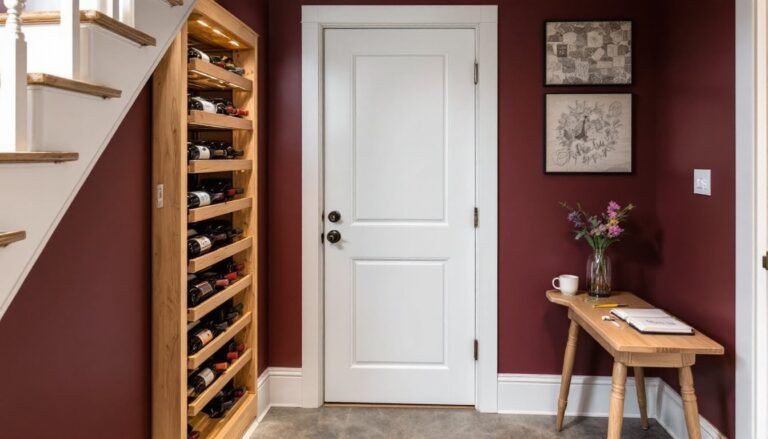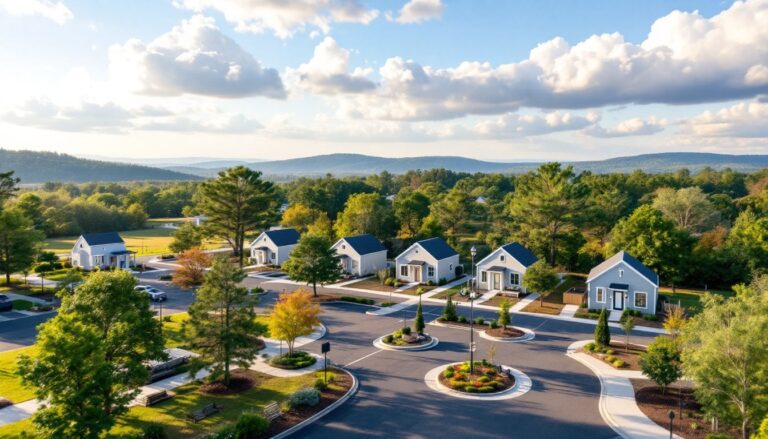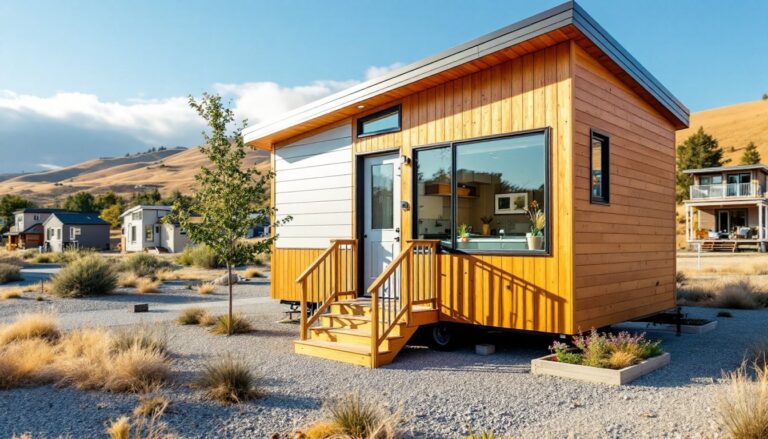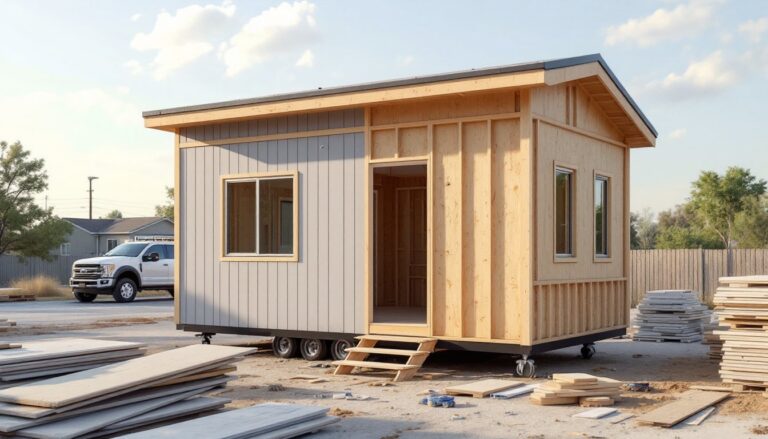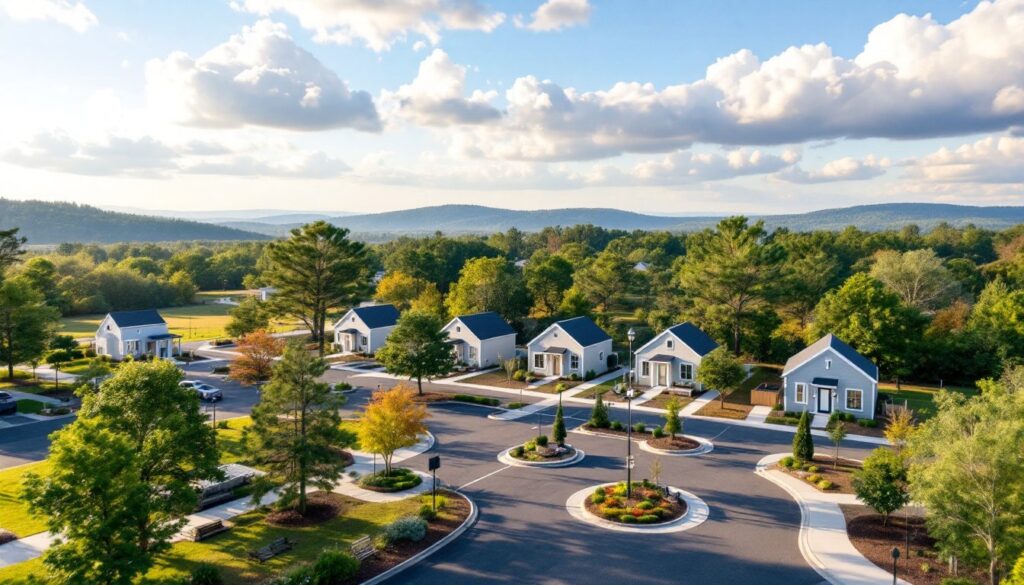

South Carolina’s boom in tiny home communities reflects a nationwide shift toward affordable, simpler living, and the state’s cost of living and climate make it an ideal landing spot. Whether you’re drawn to lower mortgage payments, reduced environmental impact, or a closer-knit neighborhood feel, tiny home communities across South Carolina offer a practical path forward. This guide walks you through what makes the state attractive for tiny living, where to find established communities, how to finance your move, and the critical decision between building and buying. If you’re serious about downsizing without sacrificing quality of life, this is your roadmap.
Table of Contents
ToggleKey Takeaways
- Tiny home communities in South Carolina combine affordability with mild climate, lower construction costs, and updated zoning regulations that make alternative housing more feasible than in other regions.
- South Carolina offers diverse tiny home community options across the Upstate, Midlands, Lowcountry, and rural areas, each with distinct price points and community dynamics worth exploring in person.
- Financing options for tiny homes range from conventional mortgages and manufactured home loans to developer financing and lease-to-own arrangements, with costs typically between $150,000–$400,000 depending on location and finishes.
- Buying an existing tiny home in an established community provides faster move-in, reduced risk, and realistic neighborhood insights, while custom building offers more control but requires 6–12 months and carries higher complexity.
- Successful downsizing to a tiny home community requires ruthless decluttering, multiple visits in different seasons, understanding community agreements and monthly fees, and leveraging shared outdoor spaces to expand usable living area.
What Makes South Carolina Ideal for Tiny Home Communities
South Carolina checks several boxes that make it a hotbed for tiny home communities. First, the state’s cost of living sits well below the national average. Labor and materials for construction cost less here than in coastal Northeast markets or the Pacific Northwest, translating directly to lower home prices, and lower rent or mortgage payments for residents.
Second, the climate works in tiny homes’ favor. South Carolina winters are mild, cutting heating costs and reducing the structural stress that freezing climates impose on small structures. The growing season stretches long, supporting outdoor living spaces that effectively extend the usable square footage of a tiny home.
Third, the state has become more permissive around zoning for alternative housing. While regulations still vary by county and municipality, many communities have begun updating codes to accommodate tiny homes and accessory dwelling units (ADUs). This regulatory shift has opened the door for developers to create cohesive tiny home neighborhoods rather than scattering individual tiny homes across conventional subdivisions.
Finally, South Carolina’s strong sense of community appeal, especially in rural and semi-rural areas, aligns well with the collaborative, walkable ethos many tiny home residents seek. Developers have leaned into this, designing communities with shared amenities, green spaces, and common areas that foster neighbor-to-neighbor connection.
Finding Established Tiny Home Communities Near You
Communities to Explore Across the State
Upstate (Greenville, Spartanburg, and surrounding areas): The Upstate has seen aggressive development of tiny home communities, partly because the cost of land and labor remains low compared to coastal South Carolina. Several communities near Greenville focus on workforce housing, making them accessible to professionals who want walkability without downtown pricing.
Midlands (Columbia area): Communities around Columbia and into the surrounding counties have blended tiny homes with cohousing principles. These tend to attract younger families and retirees looking for social connection alongside affordability.
Lowcountry and coastal regions: While land costs spike near Charleston and Beaufort, developers have carved out pockets of tiny home communities slightly inland. These attract those who want coastal proximity without coastal mortgage payments. Some communities emphasize sustainability and climate resilience, smart thinking in regions that face flooding and hurricane risk.
Rural communities: If you’re willing to venture into more rural areas, think Aiken, Abbeville, or Anderson counties, you’ll find emerging tiny home neighborhoods that offer the lowest price points and often the strongest community-building ethos. Trade-off: you’ll be driving further for urban services.
Your best bet is to visit a handful of communities in person. Walk the streets, talk to residents, check out the common areas, and ask about future expansion plans or potential lease/ownership changes. What looks appealing online may feel cramped or isolated on the ground, and vice versa.
Financing Your Tiny Home in South Carolina
Financing a tiny home differs from buying a conventional house, and understanding your options upfront saves headaches.
Conventional mortgages work for tiny homes if they’re built on permanent foundations and meet local building codes, which most new construction does. Banks increasingly offer mortgages for tiny homes, though loan amounts are lower (naturally) and some lenders remain hesitant. Expect 10–20% down payments and interest rates in line with conventional mortgages. Your credit score, debt-to-income ratio, and the home’s appraised value matter as much as with any traditional home loan.
Manufactured home financing applies if your tiny home is built in a factory and transported to site. These loans often carry slightly higher rates than conventional mortgages and require the home to be on land you own. Some lenders specialize in manufactured homes and may offer more flexibility.
Personal loans and alternative financing are less common but possible, especially if you’re buying an existing tiny home from a private seller or a developer offering in-house financing. These loans typically carry higher rates but may be easier to qualify for.
Developer financing or lease-to-own arrangements exist in some communities. A few developers offer payment plans or lease-to-own options that bypass traditional lending, useful if your credit is rough or if you want to test-drive tiny living before committing. Read the fine print carefully: terms vary widely.
Cost of tiny homes in South Carolina typically ranges from $150,000 to $400,000 depending on size, location, and finishes. Upstate communities tend toward the lower end: coastal or premium communities toward the higher. Compare this against regional rent (often $1,200–$1,800 monthly for a one-bedroom apartment in mid-size towns) and the math becomes compelling fast.
Building vs. Buying: Making the Right Choice
Deciding whether to buy an existing tiny home in a community or build one from scratch hinges on timeline, budget, and control.
Buying an existing tiny home is faster, you move in within weeks or months. If the community is established, you get a realistic sense of neighborhood culture, resale potential, and any quirks or issues before committing. You avoid construction delays and cost overruns. The downside: less customization, and you may pay a small premium for the turnkey convenience.
Building your own tiny home in a community (if the developer allows custom builds) takes longer, typically 6–12 months from design to move-in. You control finishes, layout, and systems, and you may save money by specifying exactly what you want instead of paying for features you don’t need. The risk: construction delays, change orders that balloon costs, and the stress of managing a build. Some developers require you to use their preferred builders, limiting your options.
Buying land and building independently offers the most control but the most complexity. You’ll need to navigate zoning, permits, utilities, and construction management yourself, feasible for experienced DIYers, daunting for others. Costs can inch higher because you’re not benefiting from community-wide economies of scale.
For most first-time tiny home buyers, purchasing an existing home in an established community strikes the best balance. You get a move-in-ready product, community vetted by residents, and the ability to see what you’re getting before signing papers.
Planning Your Move to a Tiny Home Community
Moving to a tiny home demands different prep than a conventional relocation.
Downsize ruthlessly. A 600-square-foot tiny home isn’t a conventional apartment in miniature, it requires intentional choices about what you keep. Before signing a lease or purchase agreement, do a trial run: box up the items you’d bring and live out of boxes for a weekend or a week. You’ll quickly discover what’s essential and what’s sentimental clutter. Many communities have Facebook groups where current residents share storage hacks and downsizing tips: read them.
Visit multiple times and in different seasons. Spend an afternoon in the community, then return on a weekend morning and again on a weeknight. Talk to residents about noise levels, community dynamics, and how the neighborhood changes with seasons. Summer in South Carolina feels different than winter: you’ll want to experience both if possible.
Understand your lease or purchase agreement. Tiny home community agreements often include rules about exterior changes, guest parking, noise, and pet policies that are stricter than conventional neighborhoods. Know what you’re signing, especially about rent increases, tenure limits, or contingencies tied to the developer’s future plans.
Factor in community fees. Most tiny home communities charge monthly or annual fees ($100–$300+ monthly) for common area maintenance, landscaping, and amenities. These aren’t optional: factor them into your affordability calculations from day one.
Plan for utilities and services. Confirm that water, sewer, electric, internet, and trash collection are included in fees or available from reliable providers. In rural areas, cell service can be patchy: ask residents about their experience. Some communities are on well water or septic systems, which come with maintenance responsibilities.
A DIY design community approach to personalizing small spaces can transform a generic tiny home into a reflection of your style without excessive cost. Similarly, ideas from Southern Living can help you maximize outdoor living, patios, porches, and gardens, which effectively expand your usable space. Resources like Apartment Therapy offer proven strategies for small-space storage and layout that apply directly to tiny home living.
Conclusion
Tiny home communities in South Carolina offer a practical, affordable, and community-oriented alternative to conventional housing. The state’s cost of living, permissive regulatory environment, and strong sense of place make it an excellent launchpad for downsizing. Whether you choose to buy into an established community or build custom, do your assignments: visit in person, understand the financials, and honestly assess whether tiny living matches your lifestyle. The right community becomes more than a address, it becomes a reset.